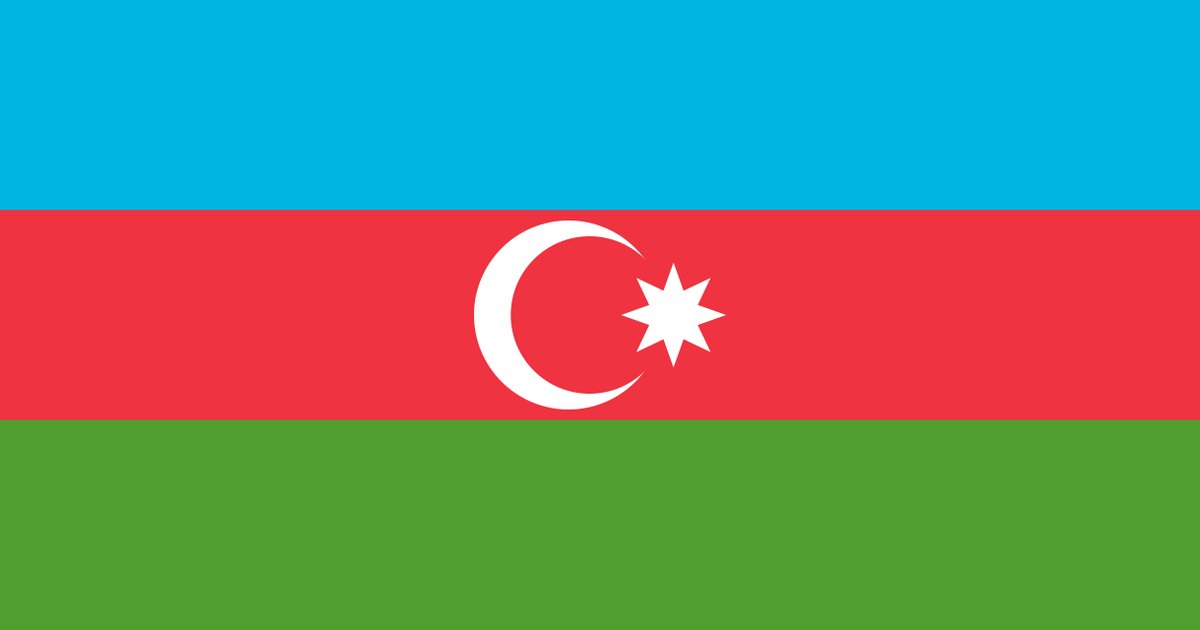
Azerbaijan
AZERBAIJAN INTELLIGENCE DOSSIER
Azerbaijan is a Caucasian nation-state positioned at the critical intersection of Europe, Asia, and the Middle East, commanding strategic influence disproportionate to its 10-million population. Currently led by President Ilham Aliyev, Azerbaijan functions as a regional power broker whose geopolitical weight derives from energy exports, control of the South Caucasus corridor, and its complex trilateral relationship with Turkey and Iran. The country matters because it controls critical energy infrastructure serving Europe, maintains NATO-aligned ties through Turkey, and operates as a strategic counterweight to Russian and Iranian regional ambitions. Azerbaijan's recent military victories in Nagorno-Karabakh (2020, 2023) reshaped the regional balance fundamentally, making it essential to European energy security and NATO's southeastern flank.
Azerbaijan registers at rank 82 on the LeadersCartel Power Index with a score of 5.1, tracked across 230 active intelligence sources with signal distribution skewed toward emerging (3E) and one high-impact signal (1H), indicating rising geopolitical salience rather than declining influence. The "monitored" tier classification reflects elevated activity without crisis-level volatility. This positioning suggests Azerbaijan is transitioning from secondary to tertiary regional player status, driven primarily by energy diplomacy and Turkey alliance strengthening rather than independent military or economic leverage. The six-point standard deviation indicates volatility clustering around specific bilateral relationships.
This week's signals reveal three intersecting developments. The OpEd addressing "Overcoming The Past, Embracing The Future" signals Azerbaijan's public messaging push toward normalized regional relations, likely targeting Western audiences skeptical of post-conflict stability. Turkish Embassy statements rejecting reports of Foreign Minister Fidan's "secret talks" in Baku indicate active diplomatic channels around Iran negotiations, suggesting Azerbaijan serves as an intermediary as Trump administration pressure on Tehran intensifies. The third headline referencing closing diplomatic windows with Iran directly implicates Azerbaijan in the escalating US-Iran tension, positioning Baku as a potential pressure point or negotiating venue.
Analysts should monitor Azerbaijan's formal response to Trump's renewed Iran threats over the next 72 hours, particularly whether Aliyev positions Baku as mediator or tacitly aligns with US pressure. The specific trigger event requiring immediate escal