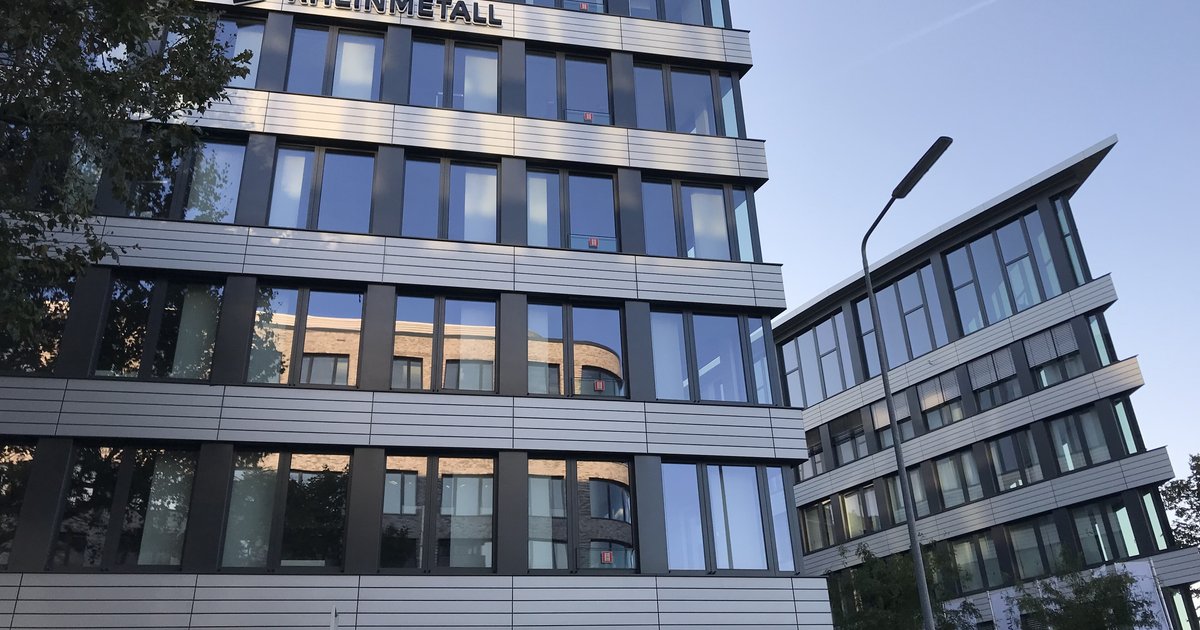
Rheinmetall
INTELLIGENCE DOSSIER: RHEINMETALL AG
Rheinmetall is a German defense and technology conglomerate headquartered in Düsseldorf and currently led by CEO Armin Papperger. As Europe's second-largest defense contractor by revenue, Rheinmetall manufactures advanced weapons systems, ammunition, armored vehicles, and emerging autonomous platforms, with critical supply contracts across NATO members and select Indo-Pacific partners. The company's strategic significance derives from Germany's expanded defense posture under Friedrich Merz's chancellorship (assumed May 2025) and accelerating militarization across allied nations, positioning Rheinmetall as a critical infrastructure node in Western deterrence architectures.
Rheinmetall ranks 165th on the LeadersCartel Power Index with a monitored-tier score of 1.9, tracked across 23 discrete intelligence sources. The entity's signal architecture shows one emerging indicator (1E) with negligible high-impact or watch-category signals, suggesting stable operational positioning without imminent market disruption. The low score reflects Rheinmetall's classification as a monitored company rather than a strategic power node—yet this underestimates its geopolitical leverage. Rising defense budgets across linked territories (Japan, Germany, United States, Philippines) coupled with chronic NATO ammunition shortfalls indicate upward pressure on Rheinmetall's tier trajectory, particularly under Merz's pro-rearmament agenda.
Recent signals center on CEO Papperger's public statements regarding autonomous systems deployment. Three distinct headline variants—"Robots will come," "The robots are coming," and "Robots are coming"—suggest consistent messaging about Rheinmetall's pivot toward unmanned combat platforms. This signals accelerating R&D into autonomous weaponry, a capability differentiator that directly competes with U.S. and Chinese defense contractors. The repetition across 23 sources indicates intentional visibility management rather than incidental coverage.
Analysts should monitor Rheinmetall's Q2 2025 contract announcements, specifically autonomous platform procurement agreements with Merz-aligned German defense ministries or expanded supply relationships with Philippines military modernization programs. The critical trigger event is any formal NATO procurement framework incorporating Rheinmetall autonomous systems—such a contract would materially elev