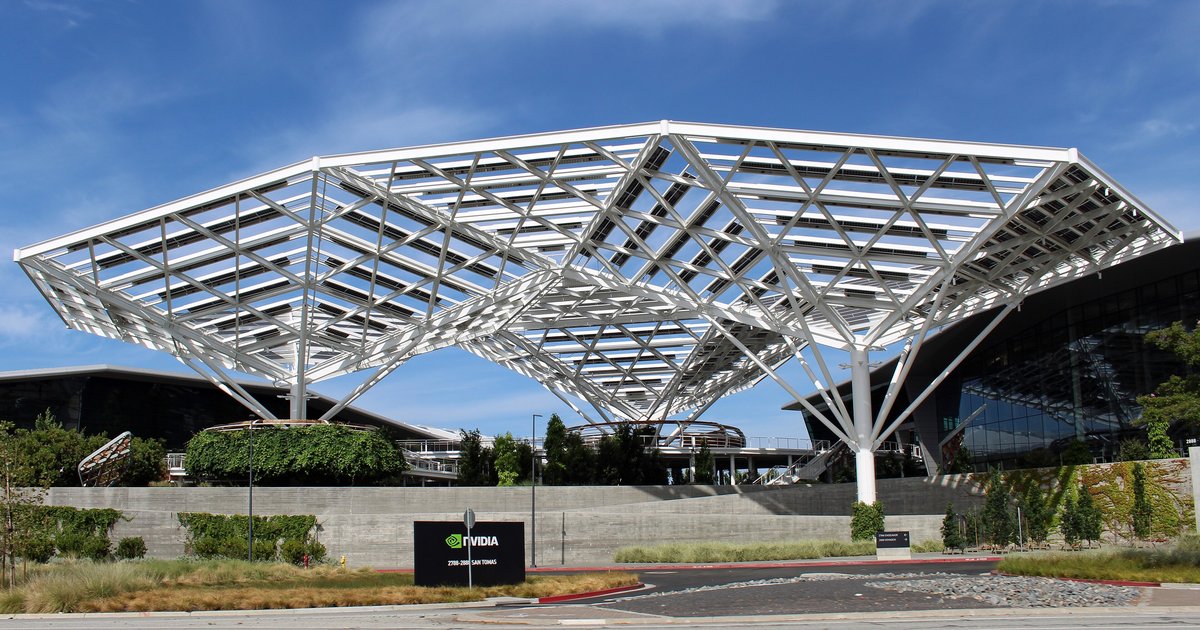
Nvidia
NVIDIA CORPORATION: INTELLIGENCE DOSSIER
Nvidia is a US-based semiconductor manufacturer headquartered in Santa Clara, California, and currently ranks as the world's dominant designer of graphics processing units and AI accelerators. The company holds strategic significance as the primary infrastructure supplier for artificial intelligence systems globally, commanding over 80 percent market share in high-performance AI chips. TheirGeForce, CUDA, and Blackwell architectures represent critical chokepoints in the AI supply chain, making Nvidia essential to both US technological dominance and global AI deployment strategies. The organization's market position extends across consumer gaming, data center operations, and emerging autonomous systems sectors.
Nvidia's rank of twelve on the LeadersCartel Power Index reflects stable institutional influence with a score of 21.7 across 168 tracked intelligence sources. Signal distribution shows one high-impact indicator, seven emerging developments, and zero watch-tier alerts, suggesting consolidation of power without immediate volatility. This positioning places Nvidia among monitored entities whose decisions cascade through multiple geopolitical and economic systems. The tier classification indicates sustained relevance rather than declining trajectory, driven primarily by supply chain dependencies among allied nations and strategic reliance from both private sector and government procurement channels.
Three critical developments emerged this week. First, Nvidia implemented protective modifications to the RTX 5090 architecture, addressing thermal failure risks that threatened the $8,500 flagship product irreplaceability in high-performance markets. Second, despite severe supply shortages, Nvidia leadership reportedly rejected characterizations of product discontinuation, signaling confidence in production recovery timelines. Third, Nvidia CEO engaged publicly with OpenAI leadership regarding acceptable risk thresholds in AI incident management, reflecting emerging friction within the US AI industrial complex over safety governance standards.
Analysts should monitor Nvidia supply chain recovery metrics and any statements regarding China export restrictions, particularly given linked intelligence touching both Beijing and New Delhi. Cross-reference any firmware updates to RTX 5090 specifications against competing announcements from Intel. The specific trigger event to watch: any official production timeline revision for high-end chips within 72 hours, which would signal either confidence restoration or supply chain deterioration requiring allied coordination.