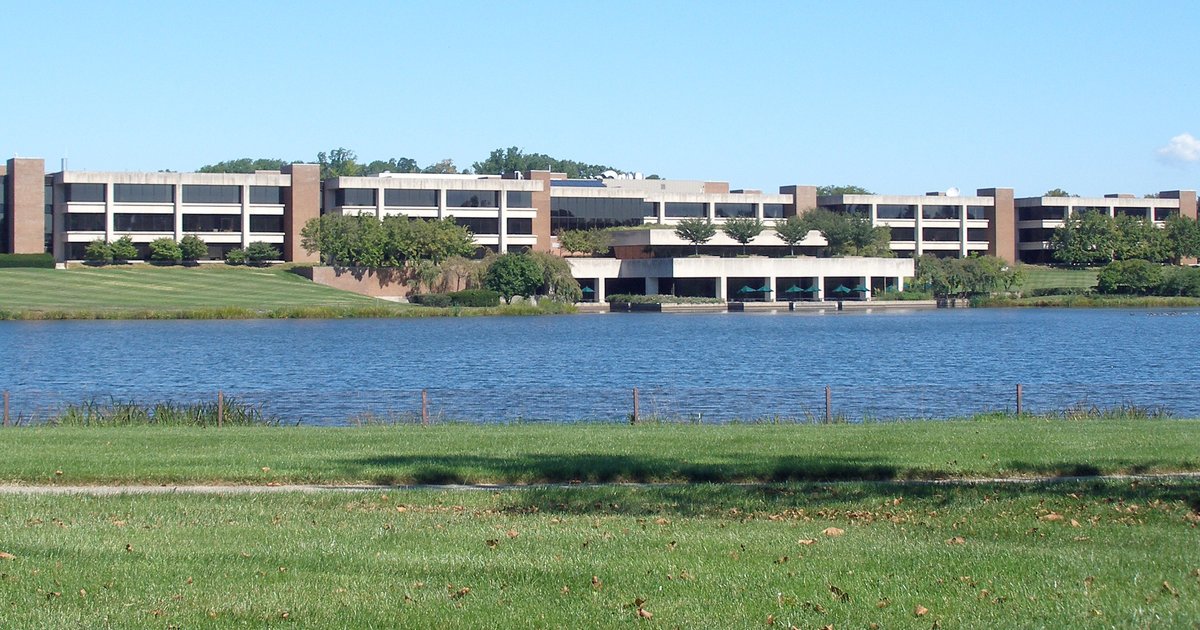
Bristol Myers Squibb
INTELLIGENCE DOSSIER: BRISTOL MYERS SQUIBB
Bristol Myers Squibb is a United States-based multinational pharmaceutical corporation headquartered in New York, currently operating as one of the world's largest integrated biopharmaceutical companies. Under the operational framework established post-merger with Celgene (2019) and Myokardia (2020), BMS maintains strategic dominance in oncology, immunology, cardiovascular disease, and cell therapy markets. The company's global significance derives from its position as a primary innovator in checkpoint inhibitors, CAR-T immunotherapies, and precision medicine platforms, making it a critical node in addressing high-mortality disease states across developed and emerging markets. Their capacity to influence healthcare policy, pricing structures, and treatment accessibility across North America, Europe, and Asia positions them as a material actor in geopolitical health security considerations.
BMS holds rank 165 on the LeadersCartel Power Index with a composite score of 1.8, tracked across four distinct intelligence sources with signal distribution weighted toward emerging (1E) activity with minimal high-impact (0H) or watch-tier (0W) signals. This monitored-tier classification reflects a company in relative stability with incremental trajectory rather than acute disruption or surge. The emerging signal status suggests sector-specific developments—regulatory or competitive—merit sustained observation without escalation to crisis monitoring protocols.
Three critical signals emerged this reporting cycle. First, BMS and partner Novartis paused cell therapy programs, signaling either manufacturing complications, efficacy setbacks, or risk-recalibration in the accelerating CAR-T space. Second, FDA approval of Bristol's novel multiple myeloma treatment marks market entry for an undisclosed mechanism class, expanding revenue surface and therapeutic portfolio density. Third, industry intelligence confirms BMS pursuit of advanced supercomputing infrastructure, likely targeting drug discovery acceleration and AI-driven candidate identification—a capability race with Merck, Roche, and GSK.
Monitor next 72 hours for: (1) Novartis joint statement on cell therapy pause scope and timeline; (2) FDA label language on myeloma approval—especially safety signals or restricted distribution; (3) BMS capital expenditure announcements regarding supercomputing deployment. Primary trigger: any indication that the cell therapy