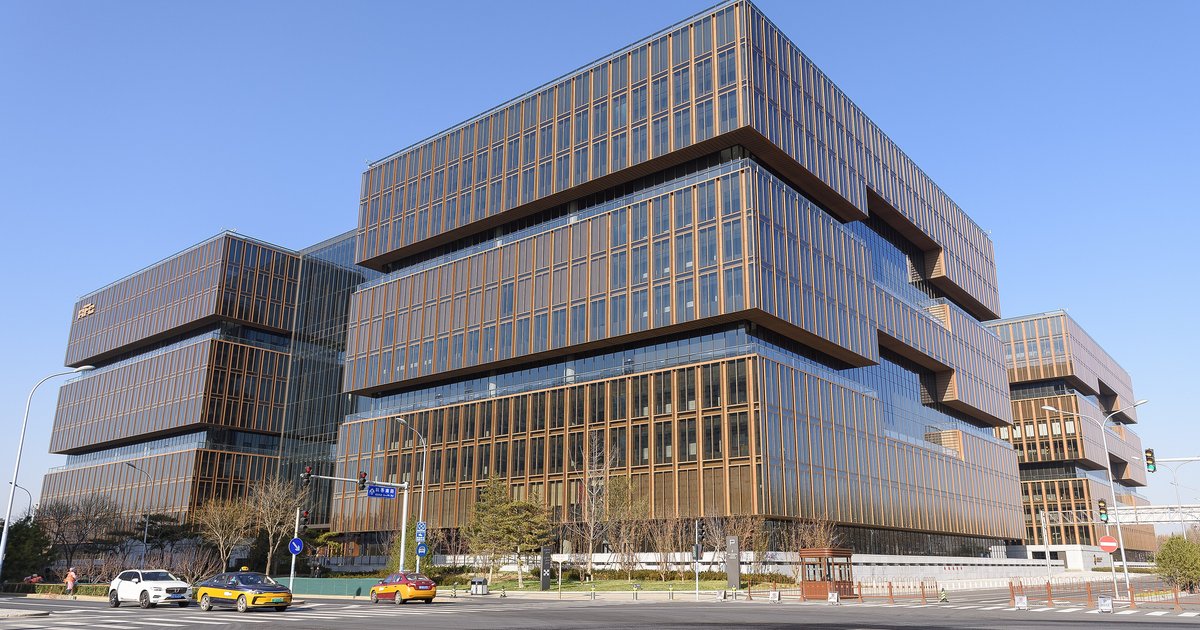
Asian Infrastructure Investment Bank
INTELLIGENCE DOSSIER: ASIAN INFRASTRUCTURE INVESTMENT BANK
The Asian Infrastructure Investment Bank is a multilateral development institution established by China and currently led by President Jin Liqun, functioning as Beijing's primary mechanism for regional infrastructure financing and geopolitical influence across Asia, Central Asia, and increasingly Africa. Founded in 2015 with 57 founding members, AIIB has deployed over $200 billion in project commitments and represents a direct challenge to Western-dominated Bretton Woods institutions. The bank's strategic significance lies in its role as both a development instrument and a tool for advancing Chinese Belt and Road Initiative objectives while cultivating diplomatic alignment among member states from India to Iran to Middle Eastern nations.
AIIB ranks #176 on the LeadersCartel Power Index with a score of 1.8, reflecting monitored-tier status tracked across 204 discrete intelligence sources. The signal distribution shows one emerging signal and one watch-level indicator with no high-impact alerts currently active, suggesting stable institutional positioning rather than accelerating influence. This relatively modest ranking belies AIIB's structural importance; the bank operates as a state-adjacent actor whose power derives from capital deployment capacity and member-state leverage rather than autonomous decision-making authority. The monitored classification indicates sustained intelligence focus given geopolitical sensitivities around China's financial architecture.
This week AIIB announced up to $10 billion in emergency financing to support member economies facing fallout from escalating Iran war dynamics, a direct response to regional instability potentially triggered by Trump administration Middle East policy shifts. Simultaneously, AIIB-financed infrastructure projects including Kochi metro's Kakkanad extension face deadline pressures, exposing execution risks in India operations. The linked entities—United States, Russia, Qatar, and Iran—signal AIIB's positioning as a stabilizing force amid multipolar tensions, leveraging financial tools where diplomatic channels fracture.
Analysts should monitor AIIB capital reallocation patterns over 72 hours as members facing sanctions exposure or conflict-zone exposure seek emergency facilities. Watch specifically for whether Trump administration pressure on Iran triggers member state withdrawals or Chinese compensatory financing commitments. The critical trigger event: any announcement of AIIB lending restrictions or enhanced due diligence protocols affecting Iran-linked projects would signal meaningful geopolitical recalibration.