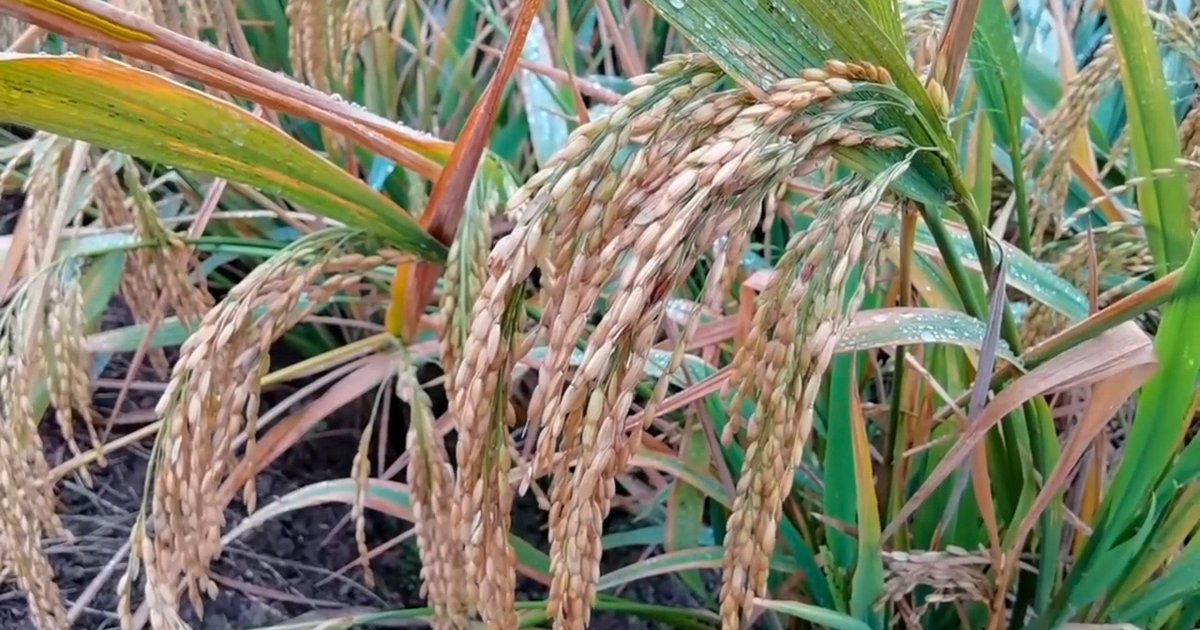
Rice
RICE COMMODITY INTELLIGENCE DOSSIER
Rice represents a critical global food security commodity and represents the primary staple carbohydrate source for approximately 3.5 billion people worldwide, particularly across Asia, Africa, and portions of Latin America. As a monitored commodity asset within the LeadersCartel tracking framework, rice serves as both an economic indicator and geopolitical leverage point, with production and export dynamics directly influencing food inflation, social stability in emerging markets, and trade relationships between major agricultural producers including India, Vietnam, Thailand, and China. The commodity's significance extends beyond nutrition into currency stability, rural employment across developing economies, and diplomatic negotiations surrounding agricultural subsidy frameworks within the WTO and regional trade agreements.
Rice maintains a rank of 157 on the LeadersCartel Power Index with a monitored tier status and a current score of 2.2, tracked across 22 distinct intelligence sources with signal distribution weighted toward two emerging factors and zero watch-level alerts. This positioning indicates stable but subdued momentum within commodity markets, suggesting rice remains in consolidation rather than acute crisis phases. The emerging signal concentration suggests developing pressures within supply chains or demand dynamics that warrant analyst attention without triggering immediate escalation protocols.
This week's headline analysis reveals three critical developments: stock market volatility connected to commodity trading patterns affecting rice-linked instruments; consumer-level financial stress regarding back-to-school logistics correlated with food price inflation; and explicit crude oil price movement analysis from market strategists identifying rice-adjacent agricultural commodity positions as beneficiary trades during energy sector volatility. These signals collectively indicate downstream inflationary pressure transmission from energy markets into food commodity pricing.
Analysts should monitor South Korea and oil sector developments as primary correlation triggers over the next 72 hours. South Korean rice import decisions and strategic reserve announcements function as leading indicators for broader Asian demand. The specific trigger event to track: any geopolitical disruption to Indian or Vietnamese export corridors, which would immediately elevate rice's LeadersCartel ranking given current monitored tier vulnerability.