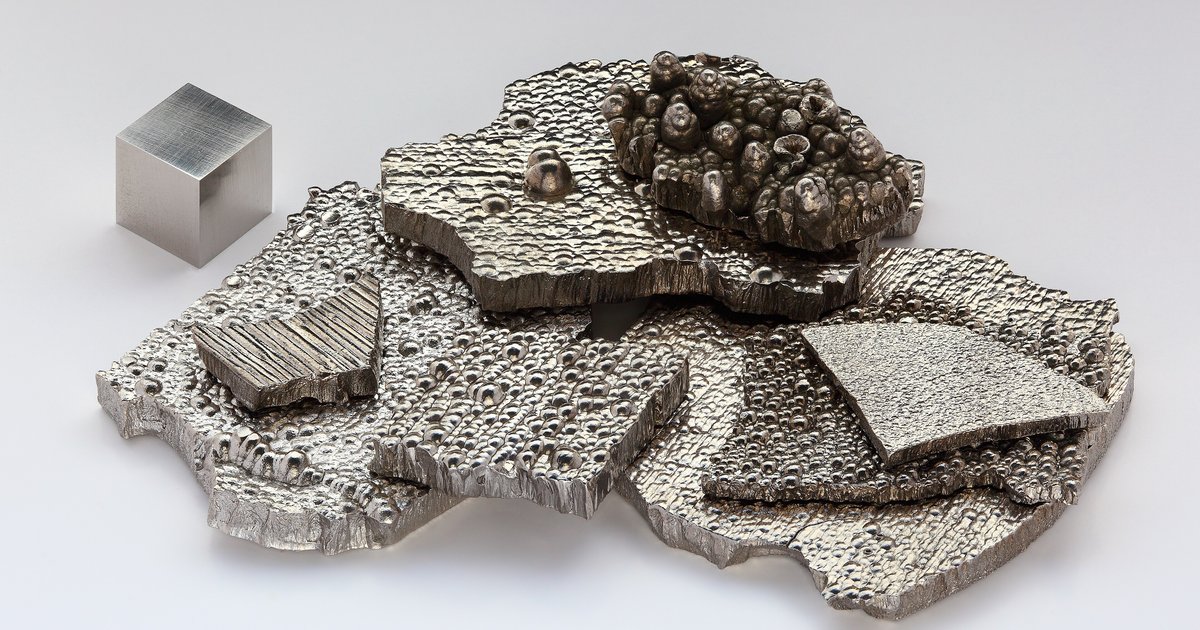
Cobalt
COBALT COMMODITY INTELLIGENCE DOSSIER
Cobalt is a critical transition metal essential for rechargeable battery production, aerospace alloys, and nuclear applications, currently monitored as a strategic commodity amid global supply chain vulnerabilities. The element maintains geopolitical significance due to concentrated production in the Democratic Republic of Congo, which controls approximately 70 percent of global reserves, creating acute dependencies for industrialized nations pursuing electrification and defense modernization. Its position spans dual-use applications critical to both clean energy infrastructure and military systems, rendering cobalt supply security a strategic priority for the United States, European Union, Japan, and allied economies competing for energy transition dominance.
Cobalt's LeadersCartel ranking of 169 with a normalized score of 1.9 reflects its "monitored" tier status across 27 active intelligence sources. The signal distribution pattern—zero high-impact alerts, one emerging indicator, and zero watch-level warnings—suggests stable but underdynamic positioning in the immediate cycle. This represents emerging rather than acute volatility, consistent with commodity classification versus state or organizational actors. The monitored designation indicates threshold-level attention warranted by supply concentration risks and geopolitical contestation rather than imminent destabilization.
Three concurrent developments demonstrate Cobalt's activation across intelligence vectors. Blackwater-affiliated operations in Congo report ambushes involving former UFC fighter Tim Kennedy, signaling privatized security competition for mineral zone control. Simultaneously, the European Union publicly acknowledged failure to meet raw material mining and processing targets, indicating structural supply-demand imbalance favoring suppliers. The EU's updated critical minerals project list emphasizing clean energy metals confirms institutional prioritization, directly linking cobalt demand to the bloc's 2030 climate commitments and geopolitical autonomy objectives.
Monitor 48-72 hours for Chinese acquisition announcements targeting Congolese mining concessions or processing capacity. Trump administration trade policy toward Chinese rare earth and cobalt dependency, combined with Macron's EU supply chain initiatives, creates a decision inflection point. Specific trigger: any major mining contract award in eastern Congo that excludes Western consortium participation would signal realignment of supply access toward Beijing-aligned spheres and immediate escalation to critical alert status.