Trump Halts Iran Military Push, Pivots to Pakistan Diplomacy
US foreign policy shift risks Ukraine funding gap while Tehran deepens regional outreach through Pakistan.


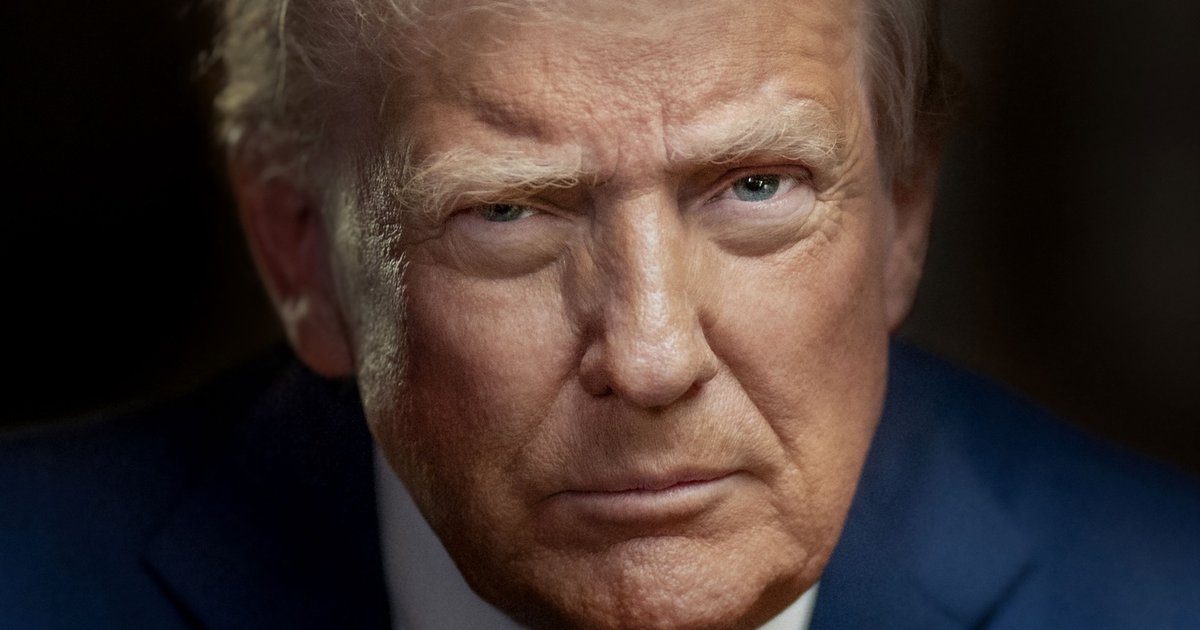
Donald Trump cancelled a planned trip to Pakistan and announced a postponement of military conflict with Iran, signaling a major recalibration of US Middle East strategy. The decision comes as Iran's Foreign Minister Abbas Araghchi continues a regional diplomatic shuttle through Pakistan and Oman, consolidating Tehran's grip over a critical corridor for sanctions evasion and trade. The twin moves expose a widening gap between US commitments to Ukraine and the administration's pivot toward de-escalation in the Gulf.
According to Bloomberg, Trump's decision to put Iran military operations 'on hold' marks a departure from hawkish positioning that dominated his first term. The cancellation of the Pakistan trip removes a scheduled diplomatic engagement that was intended to signal US commitment to South Asian allies. The timing coincides with escalating US sanctions enforcement against Chinese independent refineries purchasing Iranian oil, creating a contradictory posture: tactical pressure through financial channels alongside strategic de-escalation messaging. Markets interpreted the announcement as reducing near-term kinetic risk in the region.
Araghchi's ongoing shuttle through Pakistan and Oman demonstrates Iran's parallel effort to consolidate alternative trade networks. According to Reuters reporting, the foreign minister's engagement follows talks in Oman and appears designed to strengthen Tehran's position as Trump's de-escalation message reaches regional capitals. Pakistan's central role in this dynamic—hosting Iranian diplomatic outreach while observing US policy flux—places Islamabad in a position to extract concessions from both Washington and Tehran. The frequency of high-level Iranian visits to Rawalpindi suggests a sustained push to deepen security and economic ties.
The Wall Street Journal reported that analysts view the EU's €90 billion Ukraine aid package as potentially insufficient for extended conflict operations. Trump's Iran postponement decision intensifies concerns among European and Ukrainian officials that US military support, once a pillar of Ukrainian defensive capacity, is now subject to dealmaking timelines unaligned with Kyiv's needs. The absence of clear US commitment to Ukraine's medium-term funding creates a vacuum that neither the EU nor NATO currently has capacity to fill alone. Pakistan's diplomatic relevance rises as Washington signals openness to regional talks over military escalation.
The shift also creates enforcement friction within the administration. According to the Financial Times, US Treasury has been tightening sanctions on Chinese 'teapot' refineries—small independent processors that absorb Iranian crude through complex corporate structures. This sustained enforcement pressure contradicts the de-escalation signal, suggesting different departments are pursuing separate policy tracks. The contradiction may prove temporary if Trump's team uses enforcement threats as leverage in eventual negotiation, but for now it leaves Asian oil buyers uncertain about sanctions compliance windows.