China has drafted a comprehensive 63-sector sanctions list targeting US and allied technology firms, according to reporting on May 31, as Anthropic simultaneously filed for a US initial public offering ahead of rival OpenAI. The dual moves underscore a hardening strategic divide: Beijing is moving to restrict Western access to critical technology supply chains while Washington's capital markets are accelerating the consolidation of AI dominance into fewer, publicly funded competitors.
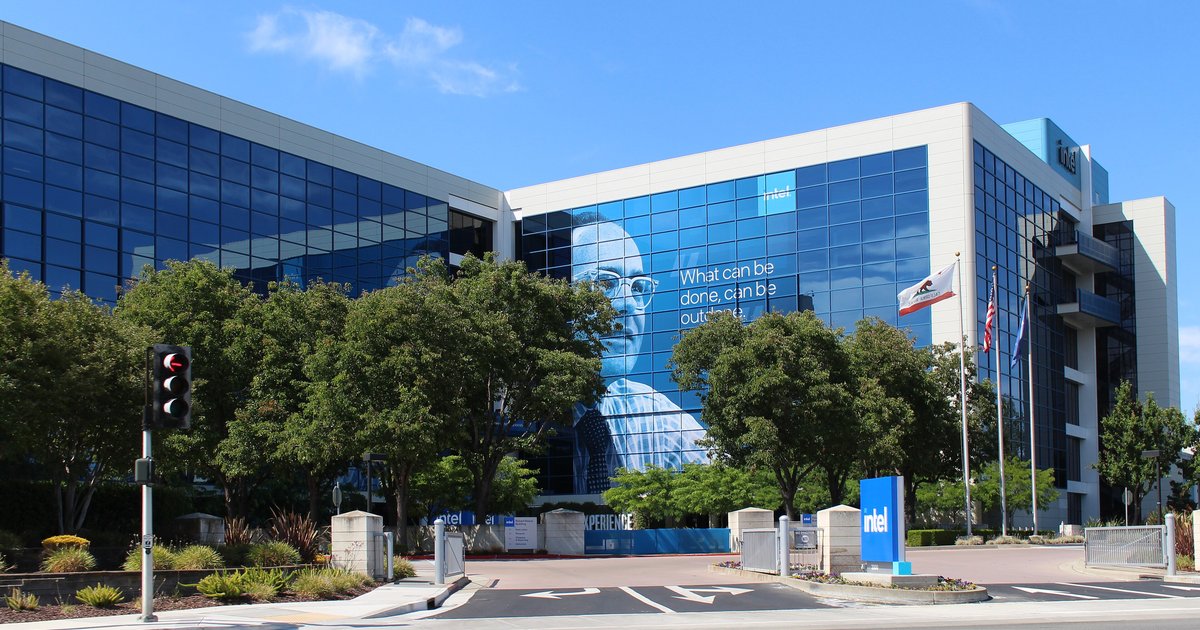
China's sanctions draft encompasses semiconductors, quantum computing, and AI infrastructure, signaling a shift from reactive tariffs to systemic supply-chain pressure. The list targets Intel, GE, and allied suppliers across the technology stack, according to Bloomberg reporting on May 30. The move reflects Beijing's conclusion that incremental restrictions have failed to slow US technological advantage. For its part, China has framed the action as a defensive response to what it characterizes as Western technology decoupling and has signaled the list remains subject to negotiation if diplomatic channels reopen.
The timing converges with Anthropic's public filing, which positions the AI safety startup ahead of OpenAI in the race to raise capital at scale. Nikkei Asia reported on May 31 that Anthropic's filing signals investor confidence in a maturing AI sector capable of supporting $100 billion-plus valuations. The filing accelerates capital concentration in US-domiciled AI firms, precisely the outcome Beijing's sanctions draft appears designed to obstruct. Anthropic's move strengthens the US position in long-term AI dominance by securing institutional funding before any technology restrictions take effect.
Chinese banks are signaling a liquidity glut is easing, with monetary tightening expected in coming quarters, according to Reuters reporting from May 30. The shift reflects Beijing's confidence that domestic industrial policy—including the sanctions list—can offset near-term capital constraints. This appears to be a calculated gambit: restrict Western technology access while maintaining sufficient domestic liquidity to fund Chinese alternatives in semiconductors and AI. The strategy suggests Beijing is accepting near-term economic friction in exchange for longer-term technological independence.
What emerges is a two-front strategic repositioning. The US is consolidating AI capital and talent into public markets before restrictions take effect, while China is attempting to sever supply chains that would otherwise sustain Western dominance. The sanction list itself may never be fully deployed—its primary function appears to be signaling resolve to allied nations and demonstrating to domestic constituencies that Beijing is actively competing rather than conceding. Capital market movements in US tech equities reflect this calculus: investors are pricing a window in which Western AI firms can still access advanced computing infrastructure and talent before a harder bifurcation sets in.
The competitive logic now favors speed. Whichever ecosystem—US or Chinese—can consolidate capital, talent, and manufacturing capacity fastest will determine AI architecture for the next decade. Anthropic's filing and China's sanctions draft are not separate events; they are opposite moves in the same match. Beijing's restrictions create urgency for US capital markets to fund and scale AI champions before restrictions bite. Washington's consolidation of AI funding accelerates China's timeline to develop independent alternatives. Neither side can afford to move slowly.