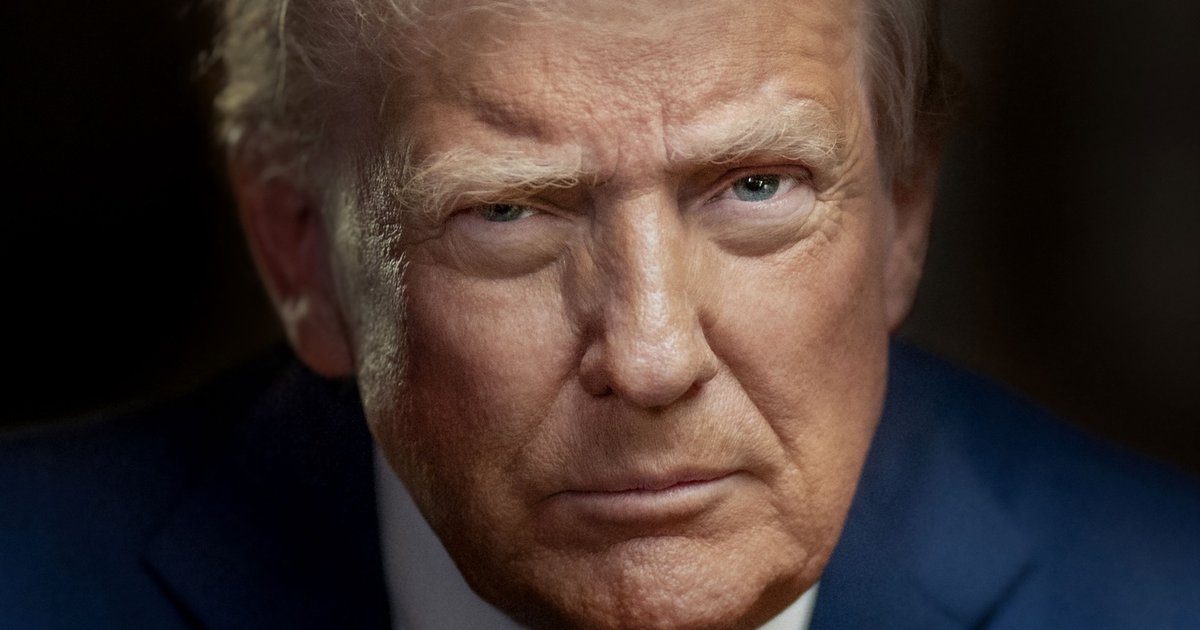
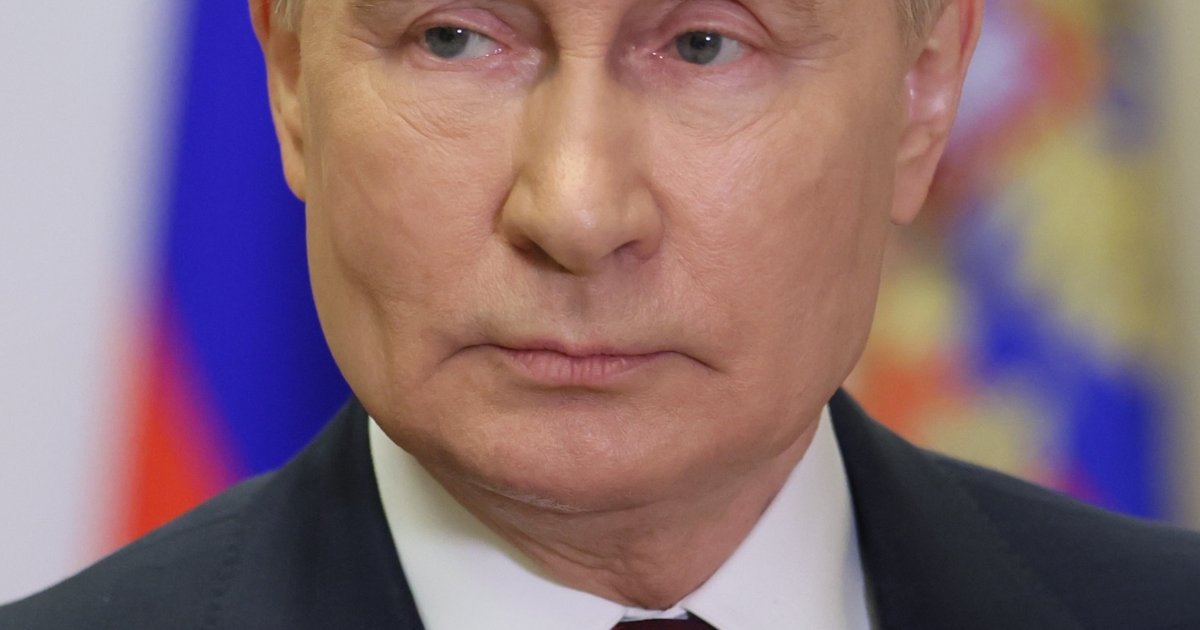
Donald Trump's administration faces public rejection of its Iran war strategy as Vladimir Putin signals a competing diplomatic overture. A Pew survey released Thursday showed a majority of Americans oppose the military approach, the first sustained polling reversal since escalation began. Simultaneously, Moscow has offered to store Iranian enriched uranium, a move that strengthens the Russia-Tehran axis while potentially offering Tehran an off-ramp the White House has not.
The domestic fracture is real. According to Reuters reporting yesterday, 54 percent of respondents now view Trump's Iran policy unfavorably, up nine points in two weeks. The shift tracks with mounting US military casualties in the Gulf and reports of expanded Iranian naval movements near the Strait of Hormuz. White House officials maintain the decision reflects operational discretion rather than a retreat, citing the need to protect regional assets. But the polling velocity suggests that sustained conflict without a visible diplomatic off-ramp is becoming politically toxic for the administration.
Moscow's intervention is the harder read. Putin has publicly offered to store Iran's enriched uranium reserves, a move first reported by Bloomberg that bypasses existing nuclear frameworks and deepens Russian-Iranian military coordination. The offer arrives as Moscow signals—through Turkish intermediaries—that the Ukraine war is nearing an end. Nikkei Asia reported on May 6 that Russian officials have begun preliminary talks with Iranian counterparts about logistics and storage site preparedness. The timing is deliberate: Moscow is positioning itself as the broker of Iranian security at a moment when Washington appears unable to offer Tehran the diplomatic clarity it requires.
The regional alignment is visible in IRGC posture. Iran's Revolutionary Guards warned Monday against foreign interference with Iranian commercial vessels, a public signal captured by Al Jazeera that amounts to defensive positioning in the Gulf. Separately, Syria endorsed Bahrain security measures following IRGC arrest operations, according to Middle East Eye reporting—a sign that Tehran is consolidating allied support rather than isolating. Tehran has framed the deployment as defensive, citing prior US sanctions and what officials describe as Western escalation. These moves suggest Iran is organizing for a longer standoff, not preparing for rapid capitulation.
The convergence reshapes US negotiating room. A week ago, Trump held implicit leverage: the threat of sustained military pressure could force Tehran back to the bargaining table. That leverage erodes sharply if Moscow is offering storage, if domestic US opinion is turning, and if Iran is consolidating Gulf allies. The result is that Washington's ability to impose diplomatic costs on Tehran has narrowed significantly. Uranium prices fell 1.92 percent on the session, reflecting market assessment that expanded storage reduces medium-term supply pressure and pushes any military resolution further out. The tactical initiative is shifting away from Washington.