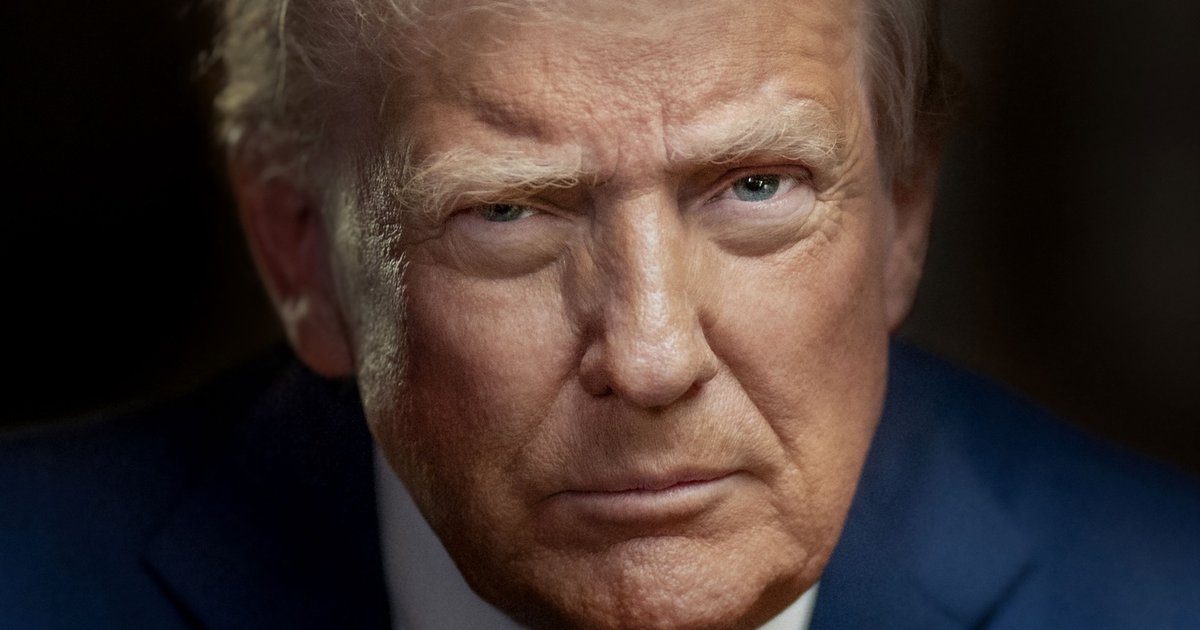
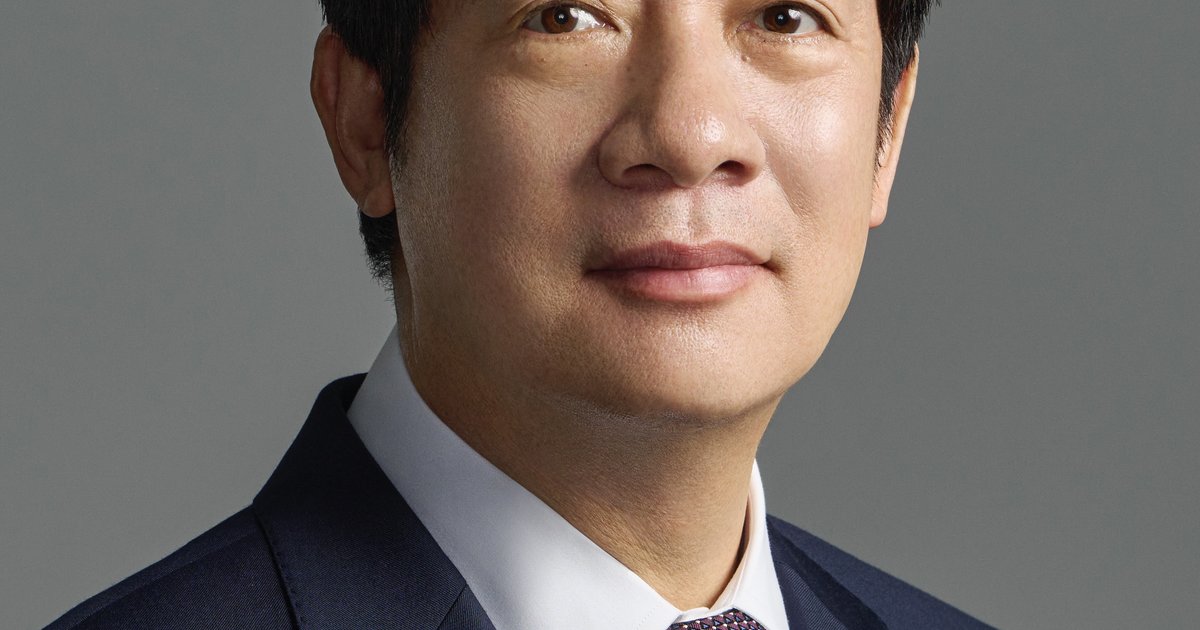
A pellet recovered from a Secret Service agent's vest has strengthened evidence linking a suspect to an assassination attempt against Donald Trump, according to reporting on May 2. The discovery comes as German Chancellor Friedrich Merz reaffirmed commitment to working with the Trump administration despite policy disagreements, and Taiwan's President Lai Ching-te continues diplomatic outreach in Africa despite Beijing's escalating pressure. The convergence signals competing efforts to stabilize US alignment: a domestic security crisis, European reassurance, and Taiwan's defiant positioning against Chinese isolation.
The attempted assassination has moved into an evidentiary phase. Federal investigators recovered a pellet lodged in protective gear worn by a Secret Service detail member, linking the projectile to a suspect under investigation, according to multiple outlets covering the case on May 2. The forensic finding narrows investigative scope and raises questions about breach protocols at an active presidential protection site. The incident adds operational pressure to an already fractured White House security apparatus, even as Trump prepares second-term policy implementation across multiple contested domains.
Germany's Merz sought to manage the fracture explicitly. In a statement reported by the Financial Times on May 2, the chancellor signaled Berlin's willingness to cooperate with Trump despite NATO tensions over defense spending and burden-sharing expectations. Merz's move represents a calculated choice to preserve alliance architecture rather than escalate rhetorical distance. European leaders appear to have concluded that public friction risks accelerating NATO's institutional decay, and are opting for private negotiation over visible conflict.
Taiwan's Lai pressed forward with African diplomacy despite Chinese isolation efforts. The president visited Eswatini on May 2, reinforcing diplomatic ties in one of Taiwan's remaining formal allies, according to reporting by Reuters. Beijing has intensified rhetorical pressure and expanded its own African outreach to isolate Taipei, yet Taiwan has chosen to deepen engagement rather than retreat. The visit signals Taipei's assessment that visible passivity would accelerate defection among remaining allied states, making continued movement essential despite asymmetric pressure.
The three developments converge on a single strategic calculation: actors are attempting to stabilize their positions against deteriorating alliance coherence under Trump's second-term agenda. The assassination attempt introduces unpredictability into White House decision-making at a moment when US commitments to NATO and Taiwan are already under strain. Germany's reassurance and Taiwan's African outreach are not independent responses; they are countermeasures to the same underlying instability. Both are betting that visible commitment to existing partnerships can slow defection, even as Trump signals potential recalibration of US treaty obligations. The result is a temporary holding pattern: allies signaling continuity while Trump's security crisis deepens, and strategic partners positioning for potential abandonment rather than genuine confidence in US reliability.