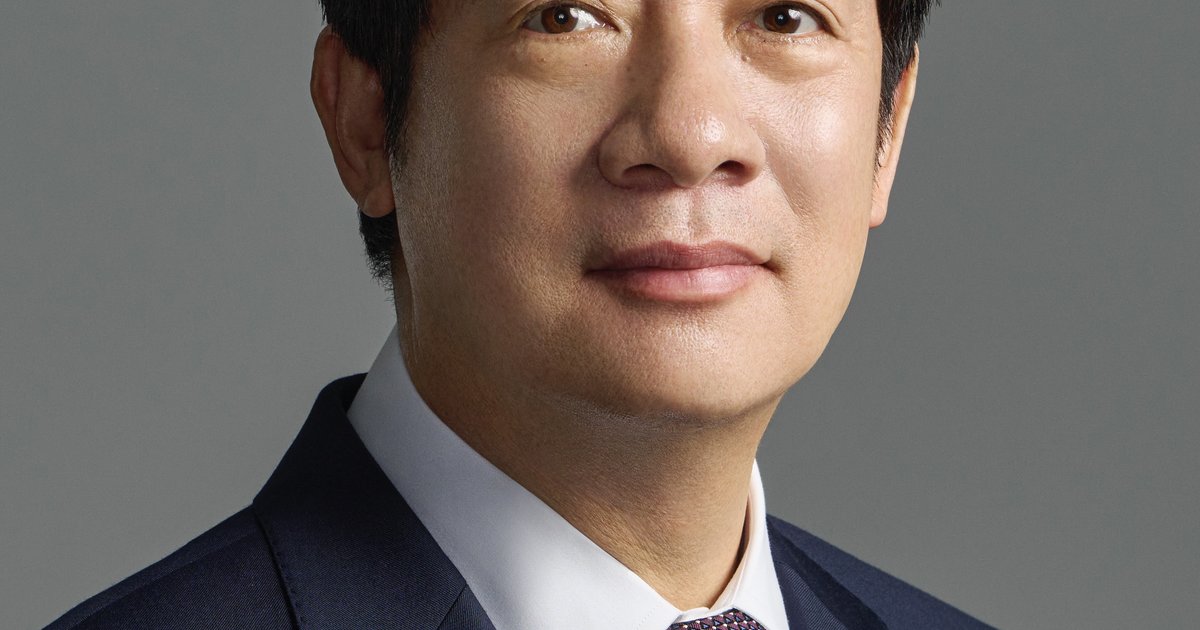
Lai Ching-te
INTELLIGENCE DOSSIER: LAI CHING-TE
CLASSIFIED DISTRIBUTION
Lai Ching-te is the current President of Taiwan, holding the highest executive office of the self-governing island since May 2024. His strategic significance derives from Taiwan's position at the epicenter of US-China competition and his role as the democratic leader most directly exposed to Beijing's military and political pressure. Taiwan controls critical semiconductor supply chains worth over $600 billion annually and sits astride vital Pacific shipping lanes. Lai's leadership matters because his decisions on defense posture, cross-strait dialogue, and alignment with Washington versus Beijing ripple across global markets, alliance structures, and the risk calculus for potential military conflict.
Lai Ching-te ranks 151st on the LeadersCartel Power Index with a score of 2.2, monitored across 34 active intelligence sources. His positioning reflects elevated regional influence constrained by Taiwan's lack of UN recognition and formal diplomatic isolation by most nations. The signal distribution shows one high-impact signal active, zero emerging signals, and zero watch-level alerts, indicating concentrated rather than diversified global attention. His trajectory appears stable rather than ascending; he commands significant geopolitical leverage but operates within structural constraints that limit his absolute power ranking relative to heads of major nation-states.
This week's signals reveal Lai pursuing dual-track engagement: welcoming direct talks between Washington and Beijing to reduce military miscalculation risk while simultaneously announcing increases to Taiwan's defense budget to deter military aggression. These moves signal confidence in Trump administration deterrence but also hedging against possible US-China rapprochement at Taiwan's expense. Critically, Lai called on Indo-Pacific democracies to collectively support Taiwan's security autonomy, indicating he is building coalition pressure against potential great-power accommodation that excludes Taiwan's preferences.
Analysts should monitor whether Trump's administration commits to specific defense support packages for Taiwan or pivots toward negotiated settlement with Beijing. The 48-72 hour trigger to watch is any announced high-level US-China diplomatic engagement on Taiwan's status; this would immediately test whether Lai's coalition-building statements translate into concrete allied support or whether Taiwan faces isolated pressure to accept terms dictated by Washington-Beijing negotiations.