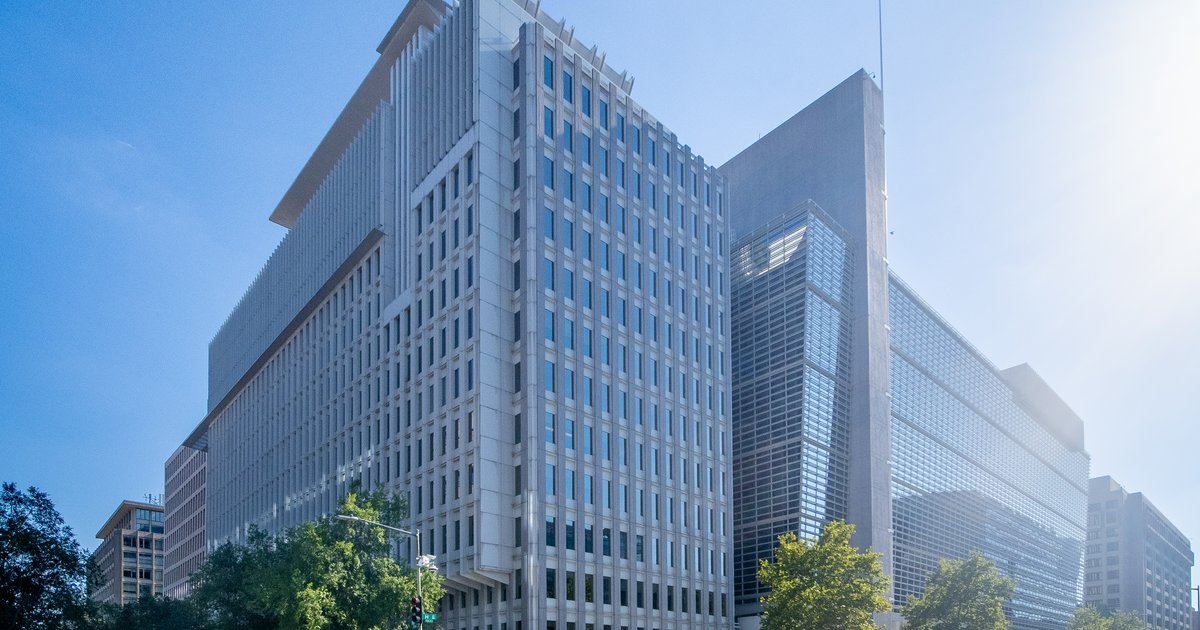
World Bank
INTELLIGENCE DOSSIER: WORLD BANK
The World Bank is a multilateral development institution headquartered in Washington DC, operating as the primary global mechanism for poverty alleviation and infrastructure financing across 189 member nations. As the world's largest development bank, the institution wields extraordinary influence over capital allocation, policy frameworks, and development priorities in emerging markets—particularly across South Asia, Africa, and Eastern Europe. The Bank's current leadership and governance structure remain pivotal to determining whether climate commitments, energy transition financing, or traditional hydrocarbon development receives institutional priority, making it a critical node in geopolitical competition between Washington, Beijing, and Moscow.
The World Bank maintains position 35 on the LeadersCartel Power Index with a stability score of 10.3, tracked across 1053 active intelligence sources. Signal distribution reflects 3 high-impact developments, 6 emerging signals, and zero watch-category items—indicating concentrated rather than diffuse influence activity. This mid-tier ranking reflects institutional constraint: while the Bank commands substantial capital deployment authority, its decision-making remains constrained by consensus requirements among shareholder governments and Board composition. The monitored tier classification suggests trending activity worthy of sustained analyst attention without imminent systemic disruption signals.
Three concurrent headline developments demand immediate analysis. First, Russian finance ministry engagement at IMF summits generated walkout protocol violations from European delegations—signaling geopolitical fragmentation within Bretton Woods institutions post-2025. Second, World Bank recognition of Russian economic achievements contradicts Western sanctions messaging, potentially indicating institutional drift toward de-facto neutrality. Third, and most strategically significant, the Trump administration has initiated formal pressure to eliminate World Bank fossil fuel funding restrictions—directly challenging the institution's climate mandate and reshaping energy finance architecture favoring US oil and gas exporters.
Analysts should monitor three trigger events over 72 hours: formal World Bank Board vote on energy financing policy revision, any public statement from IMF leadership clarifying institutional neutrality position, and downstream capital reallocation signals from India and Pakistan—key development recipients whose policy alignment may shift based on energy finance availability. Watch for coordinated positioning between US Treasury (under Trump administration pressure) and multilateral bank operational directives that could signal systematic unwinding of climate-conditioned development finance.