Mercosur
MERCOSUR INTELLIGENCE DOSSIER
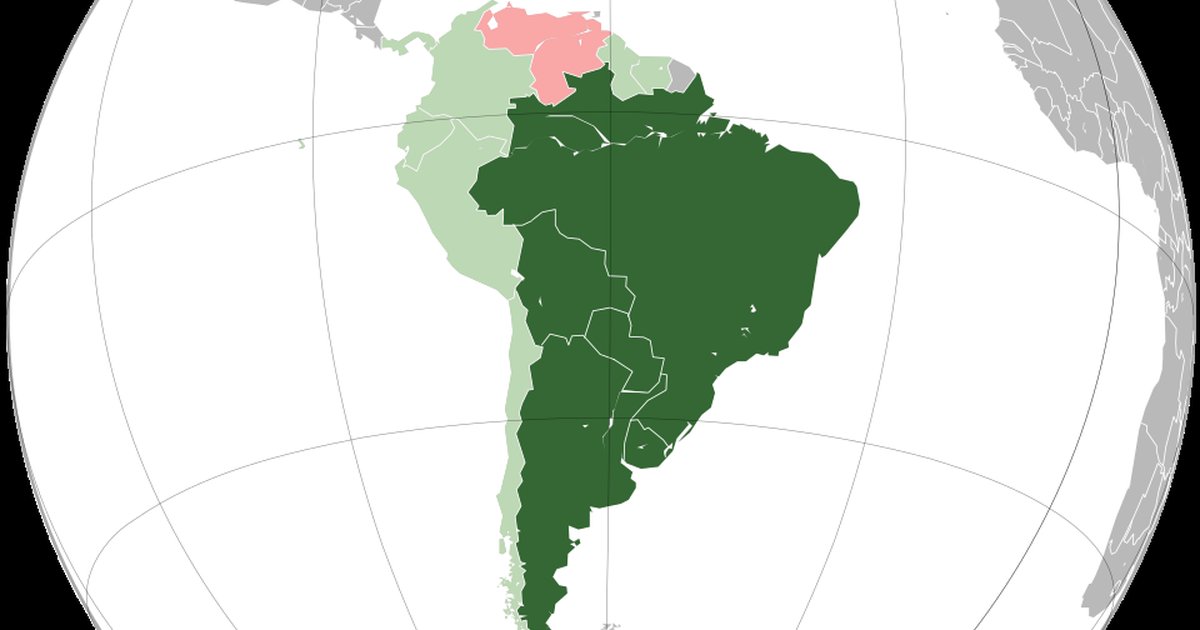
Mercosur is the Southern Common Market, a South American trade bloc comprising Argentina, Brazil, Paraguay, and Uruguay, functioning as a supranational economic and political organization rather than a nation-state or individual leader entity. As the world's fifth-largest trade bloc by GDP, Mercosur serves as a counterweight to North American and Asian economic dominance, with strategic relevance to global trade policy, emerging market stability, and geopolitical positioning in the Western Hemisphere. Its significance extends beyond commerce into diplomatic leverage, particularly regarding China engagement, Venezuela sanctions coordination, and EU trade negotiations.
Mercosur's LeadersCartel ranking of 213 with a score of 1.4 reflects institutional-level monitoring across six distinct intelligence sources, distributed evenly across monitored tier signals with zero high-impact, emerging, or watchlist escalations currently active. This stable mid-tier positioning indicates consistent but unspectacular geopolitical activity—neither rising sharply nor in decline, but present in regional calculations. The flat signal distribution (0H/0E/0W) suggests Mercosur operates within expected parameters without triggering acute institutional concerns, though monitoring persists given trade bloc volatility.
Three concurrent developments demand immediate attention. Paraguay's formal call for Venezuela's return to Mercosur represents internal bloc fracture over sanctions compliance, potentially weakening unified sanctions architecture against Caracas. Simultaneously, emerging Beijing-Mercosur partnership discussions signal China's deepening South American economic penetration, directly challenging Washington's hemisphere influence under the Trump administration's stated America-First trade framework. Switzerland's parliament ratification of a Mercosur trade deal accelerates extra-hemispheric alignment, reducing US bilateral leverage with individual member states.
Analysts should monitor Paraguay-Brazil tensions over Venezuela readmission within 48-72 hours, as this reflects broader institutional cohesion vulnerabilities. The specific trigger event to watch is any formal Mercosur summit announcement regarding Chinese free-trade zone negotiations, which would indicate accelerated de-dollarization trends and potential sanctioning complications for Trump administration policy execution in the region.