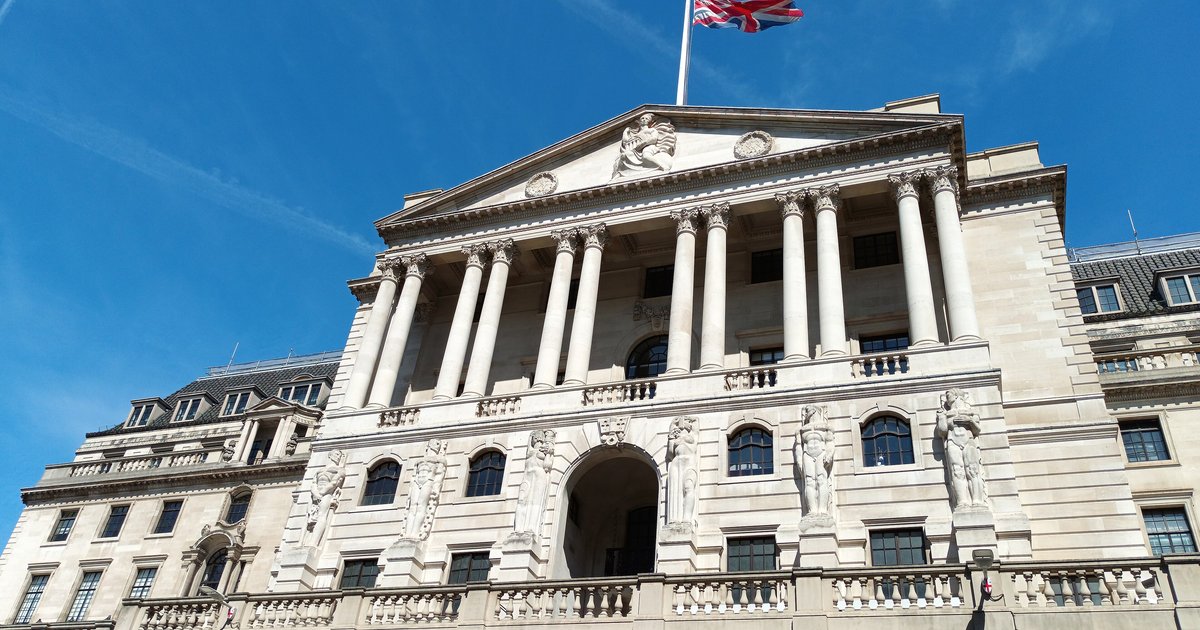
Bank of England
INTELLIGENCE DOSSIER: BANK OF ENGLAND
The Bank of England is the United Kingdom's central bank and monetary authority, currently led by Governor Andrew Bailey, operating under the framework of UK fiscal governance with Keir Starmer as Prime Minister. The BoE functions as custodian of sterling stability, lender of last resort, and architect of monetary policy for the world's fifth-largest economy. Their strategic significance extends globally through influence over currency markets, international financial stability coordination, and their role as a leading voice in multilateral economic forums. The Bank's decisions ripple across cross-border capital flows and inform policy responses from peer institutions including the Federal Reserve and European Central Bank.
The Bank of England maintains a monitored position on the LeadersCartel Power Index at rank 211 with a composite score of 1.6, tracked across nine intelligence sources with a signal distribution of one emerging indicator and zero watch-level alerts. This ranking reflects institutional stability rather than ascendant influence, suggesting the BoE operates within established governance structures without demonstrating significant power consolidation. The absence of high-impact signals indicates routine institutional function rather than crisis-mode operations. The single emerging signal suggests developing circumstances warrant close attention but present no immediate destabilization risk.
Recent BoE communications reveal three critical developments. Governor Bailey publicly stated that energy supply shocks are delaying achievement of the 2 percent inflation target, signaling persistent macroeconomic headwinds affecting UK monetary tightening cycles. Simultaneously, Bailey joined International Monetary Fund leadership in issuing a formal cyber threat assessment targeting financial system trust and payment infrastructure resilience, escalating institutional concern about non-state actor vulnerabilities. Additionally, BoE communications highlighted risks that UK fiscal policy may be approaching diminishing effectiveness, suggesting coordination concerns with the UK Treasury under current government direction.
Analysts should monitor whether the BoE convenes emergency coordination with peer central banks within 72 hours regarding cyber threat responses. The specific trigger event to watch is any BoE statement revising near-term inflation forecasts downward below 1.8 percent, which would signal capitulation on 2026 targets and potentially force policy recalibration affecting sterling valuation and cross-Atlantic monetary divergence under the Trump administration.