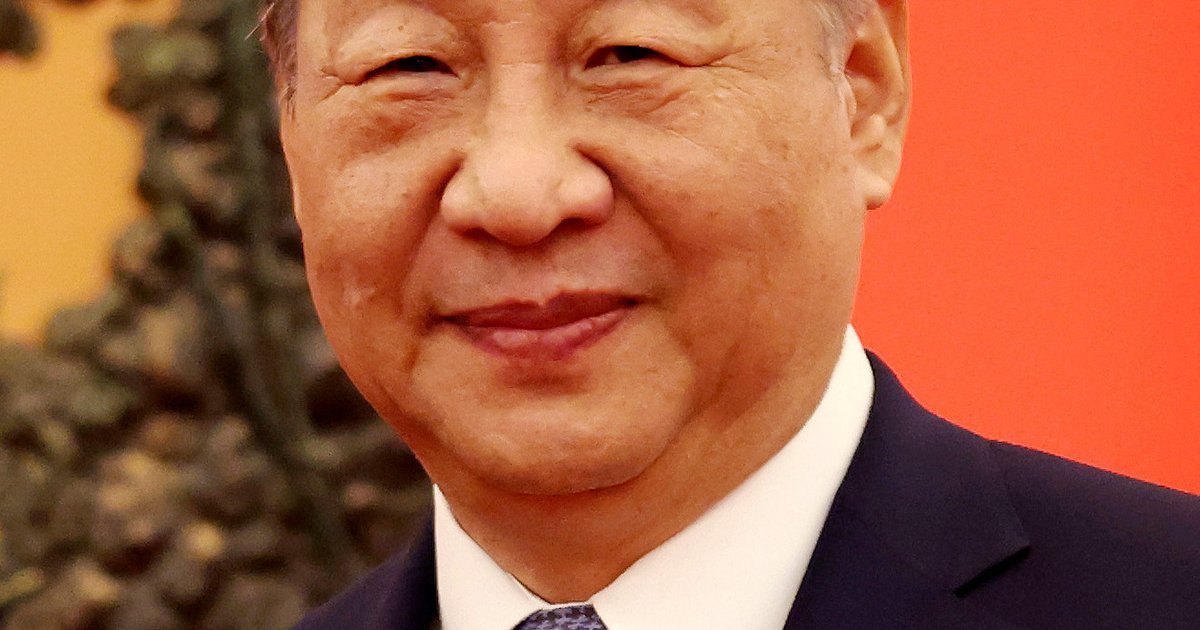
Xi Jinping
Xi Jinping is the President of the People's Republic of China and General Secretary of the Communist Party of China, holding the paramount leadership position across the world's second-largest economy and most populous nation. His global significance derives from command over 1.4 billion people, the second-largest military apparatus, and decisive influence over supply chains, technology standards, and geopolitical alignments that affect every major power. Xi's strategic position remains uncontested domestically while his Belt and Road Initiative, technological competition with the West, and nuclear modernization shape international order calculations from Washington to New Delhi.
Xi Jinping currently ranks number 17 on the LeadersCartel Power Index with a score of 19.7, tracked across 454 distinct intelligence sources. The signal distribution of 0 high-impact, 2 emerging, and 0 watch-tier indicators suggests his position remains stable rather than volatile, typical for entrenched state power. His tier classification as "monitored" reflects continuous surveillance appropriate to his rank—neither declining into lower-tier tracking nor ascending to top-five crisis status. The score positioning reflects China's constrained near-term agency relative to immediate Trump administration objectives, though underlying structural power remains substantial.
Three critical developments emerged this week. First, headlines indicate Trump administration consideration of joint US-Russia-China nuclear arms control agreements, positioning Xi as essential negotiating party rather than excluded actor. Second, speculation about APEC summit hosting in Shenzhen signals China's diplomatic offensive to frame multilateral engagement on its terms. Third, the "gift diplomacy" framing suggests Beijing is cultivating leverage through strategic generosity, particularly toward Pacific nations where Trump influence is being tested. Each signal indicates coordinated Chinese positioning ahead of anticipated high-level diplomatic engagement.
Monitor whether Trump administration actually engages Xi bilaterally on nuclear frameworks within 48-72 hours. The trigger event to watch is confirmation of APEC summit dates and location; if Shenzhen is confirmed as host city with Xi, Trump, and Putin attendance committed, this signals major realignment in great-power summit diplomacy and substantial uptick in Xi's near-term strategic leverage.