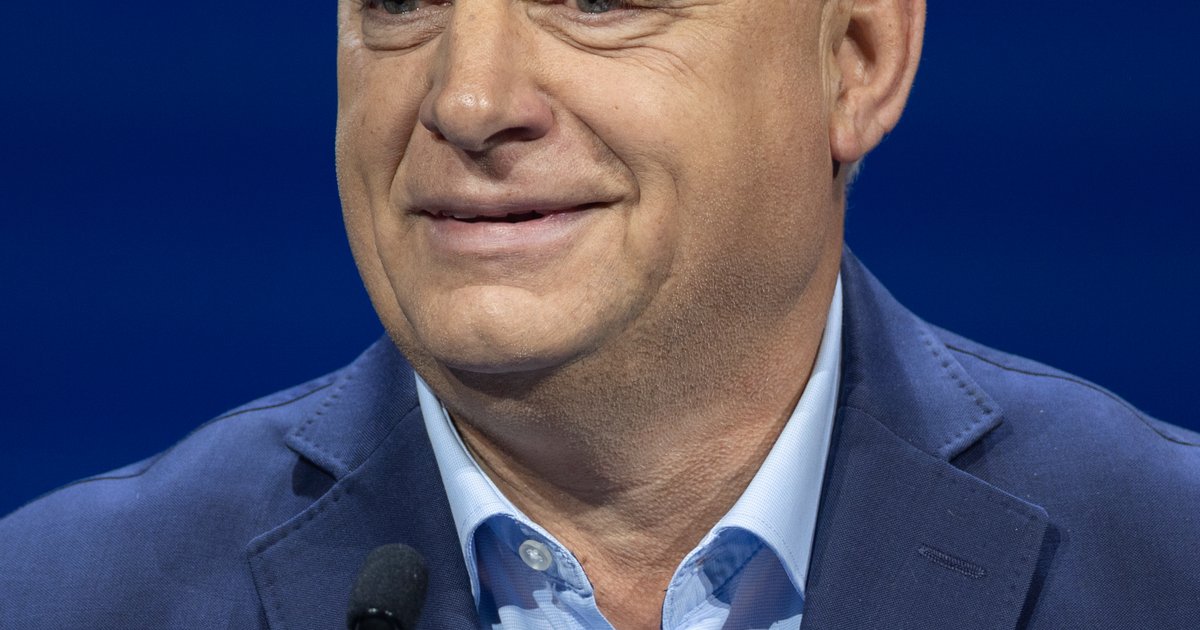
Viktor Orban
INTELLIGENCE DOSSIER: VIKTOR ORBAN
Prime Minister of Hungary | LeadersCartel Rank #172
Viktor Orban is the Prime Minister of Hungary and a central figure in Central European politics whose governance model—characterized by democratic backsliding, EU institutional conflict, and selective alignment with authoritarian regimes—presents a unique challenge to Western institutional cohesion. Orban's significance extends beyond Budapest: his defiance of EU judicial oversight, cultivation of ties with Vladimir Putin's Russia despite NATO membership, and recent embrace of Trump administration policies position him as a wildcard actor capable of fracturing Western consensus on Ukraine, sanctions, and democratic governance standards.
Orban's LeadersCartel ranking of #172 (score 2.2/100) reflects monitored-tier status across nine distinct intelligence streams with a signal distribution of one emerging indicator and one watch-flag active. His declining score trajectory indicates erosion of influence within traditional Western leadership hierarchies, though his ability to obstruct EU consensus and maintain Putin proximity sustains tactical relevance. The "monitored" tier designation signals sustained analytical attention without crisis-level escalation.
Three concurrent headline signals warrant analyst focus. First, Orban denies ordering seizure of Ukrainian cash and gold convoy transiting Hungarian territory—a signal implicating potential sanctions evasion or Putin coordination on Ukraine asset protection. Second, Hungary's withdrawal of anti-LGBTQ legislation represents tactical EU concession but does not signal ideological shift. Third, renewed denial statements suggest defensive posturing under international scrutiny. Collectively, these signals indicate Orban managing reputational damage while maintaining ambiguous Ukraine positioning.
Analysts should monitor whether the Trump administration's transactional approach to Hungary emboldens Orban toward deeper Russia engagement or EU obstruction on Ukraine aid packages within 72 hours. Watch trigger: any Hungarian veto of EU defense spending coordination or explicit Trump-Orban bilateral defense commitment announcement.