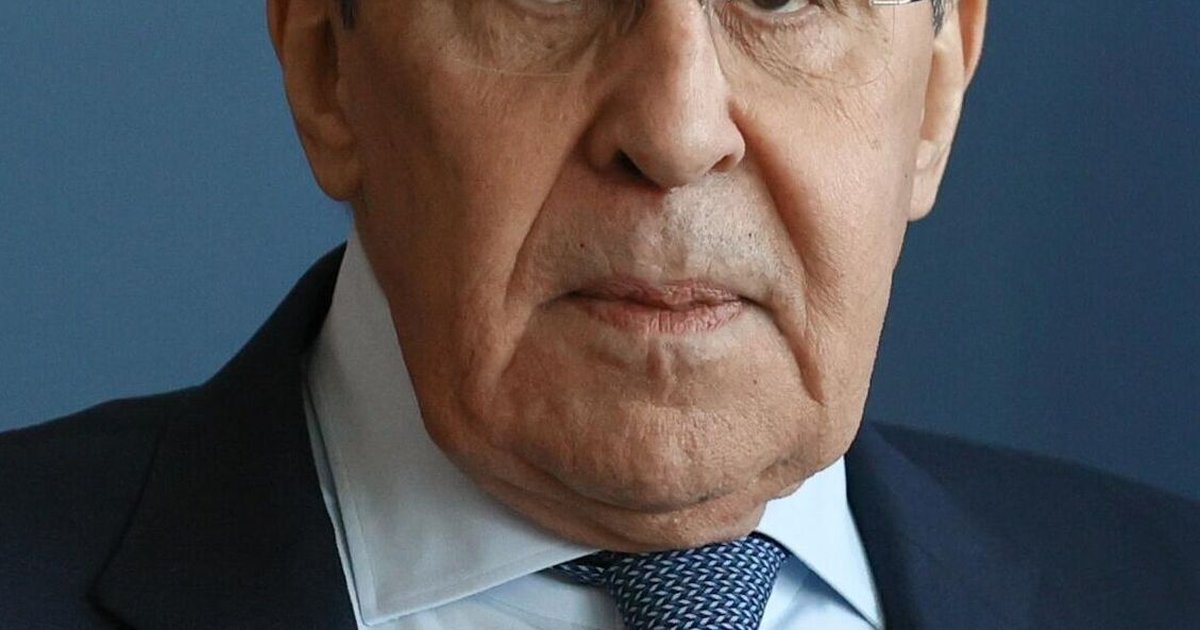
Sergey Lavrov
INTELLIGENCE DOSSIER: SERGEY LAVROV
Sergey Lavrov is the Foreign Minister of the Russian Federation under President Vladimir Putin, serving as Moscow's chief diplomatic architect and primary interface with Western and non-aligned powers. As Russia's principal negotiator on matters ranging from Ukraine sanctions to energy cooperation and NATO expansion, Lavrov represents Putin's strategic interests across multiple theaters. His significance derives from his control over Russia's diplomatic messaging during a period of heightened great-power competition, where his statements and bilateral engagements directly influence Moscow's positioning toward the United States, Europe, and Asia-Pacific actors.
Lavrov maintains a rank of 103 on the LeadersCartel Power Index with a stability score of 4.2, tracked across 1116 active intelligence sources. His signal distribution reflects 2 high-impact, 1 emerging, and 0 watch-level indicators, placing him in the monitored tier. The score suggests neither rising nor declining trajectory but rather sustained baseline diplomatic influence, typical of foreign ministers who wield soft power through negotiation rather than direct state authority. His position remains consequential within Russia's power structure but subordinate to Putin's executive dominance.
Three signals emerged this week indicating active diplomatic engagement. On NATO expansion concerns, Lavrov issued statements warning that NATO attempts to extend reach beyond bounds into Eurasia, reinforcing Moscow's long-standing objection to alliance enlargement. Separately, Lavrov met with his Turkish counterpart in Baku to discuss trade-economic and energy cooperation, signaling continued Russian cultivation of relationships with Turkey as a regional balancer. The Turkish engagement particularly matters given Ankara's NATO membership and energy importance to both Russia and Europe.
Analysts should monitor Lavrov's scheduled engagements with Western counterparts over the next 72 hours, particularly any statements responding to Trump administration policy on Ukraine negotiations. Watch specifically for whether Lavrov signals willingness to engage in settlement discussions or maintains maximalist territorial demands, as this will indicate Putin's near-term diplomatic flexibility.