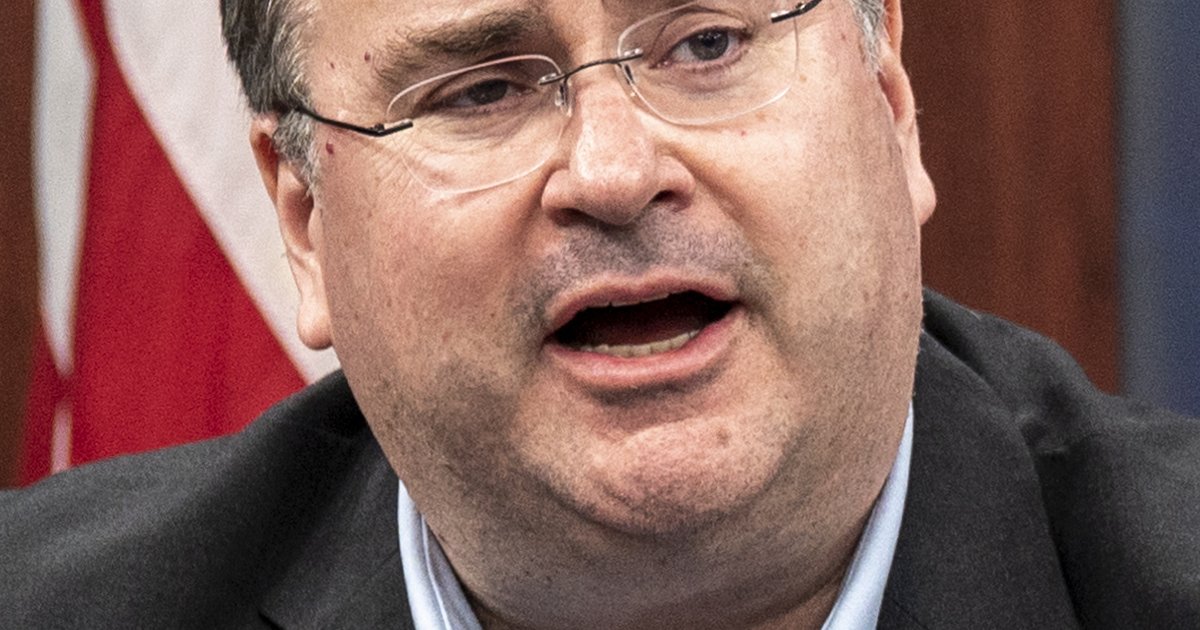
Reid Hoffman
REID HOFFMAN INTELLIGENCE BRIEF
Reid Hoffman is an American technology entrepreneur and co-founder of LinkedIn, currently positioned as a strategic investor and advisor within Silicon Valley's upper-tier innovation ecosystem. His current role centers on venture capital activity and board governance, though recent signals indicate a deliberate shift toward direct operational involvement in emerging AI infrastructure ventures. Hoffman commands significance beyond traditional corporate hierarchy due to his influence over technology policy discourse, capital allocation decisions affecting AI development, and direct access to both U.S. political leadership and international tech ecosystems. His positioning as a thought leader on artificial intelligence governance makes him a critical monitor for understanding how private sector perspectives shape public policy, particularly given the Trump administration's evolving stance on AI regulation.
Hoffman maintains a rank of 177 on the LeadersCartel Power Index with a score of 1.8, tracked across 16 distinct intelligence sources showing stable but monitored tier status. The signal distribution—zero high-impact signals, one emerging indicator, zero watch-level flags—suggests consolidation rather than expansion of influence. This positioning reflects a transition phase where Hoffman's traditional corporate board authority is being reallocated toward founder-mode operational control, a strategic recalibration that may not yet register as significant power gains in conventional metrics but indicates intentional repositioning within the innovation economy's command structure.
Recent signal data captures three substantive developments: Hoffman's participation in the AI jobs warning letter co-signed with Eric Schmidt represents direct engagement with economic policy messaging at the highest analytical level; his departure from Microsoft's board signals organizational realignment and potential conflict with established tech governance hierarchies; and his documented movement into "founder mode" with nascent ventures suggests capital and attention redirection toward private rather than corporate-institutional channels. Each development reflects deliberate disengagement from traditional power structures in favor of direct operational influence over emerging technology ecosystems.
Analysts should monitor Hoffman's capital deployment patterns and any public statements regarding AI regulation under the Trump administration within the next 72 hours. The critical trigger event to observe is whether Hoffman's new venture receives institutional backing from major sovereign wealth funds or foreign governments, which would signal meaningful repositioning of international capital flows toward his technological vision and indicate expanding rather than consolidating influence despite current index rankings.