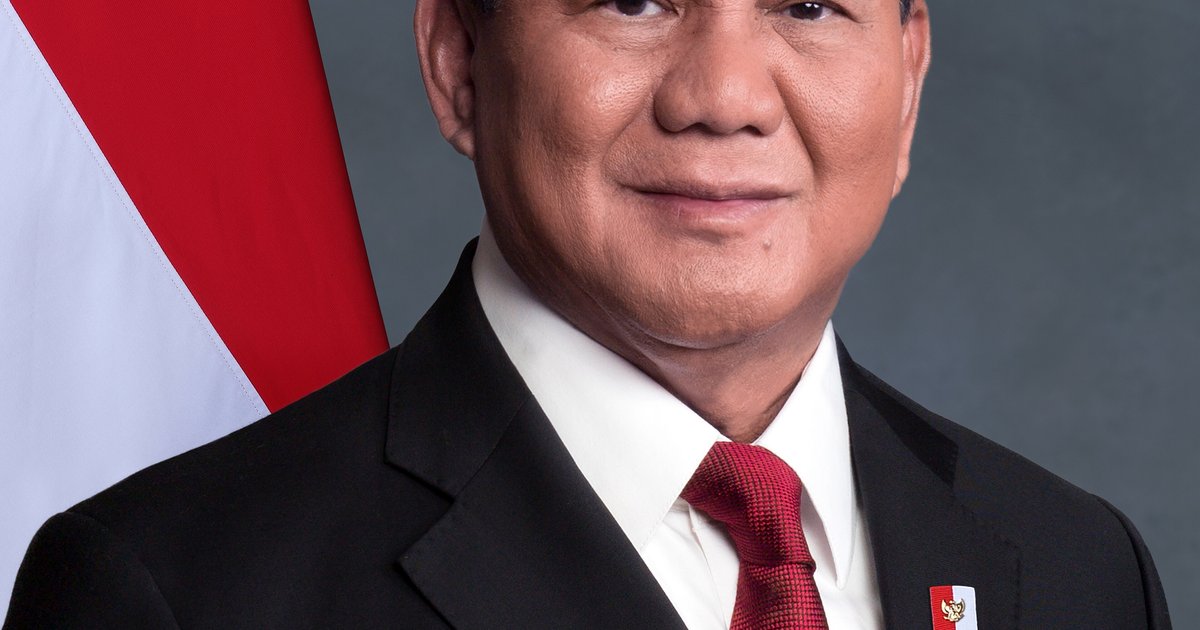
Prabowo Subianto
PRABOWO SUBIANTO: INDONESIAN DEFENSE MINISTER AND PRESIDENTIAL SUCCESSOR
Prabowo Subianto is the current Defense Minister of Indonesia and designated presidential successor, commanding strategic influence over Southeast Asia's largest military and economy. His significance derives from Indonesia's position as a $1.3 trillion economy, ASEAN's anchor state, and critical chokepoint for Indo-Pacific trade flows. Prabowo represents a consolidation of military-technocratic power within Jakarta's establishment, with deep ties to Russia and alignment signals toward Beijing. His control over defense architecture directly impacts regional stability, US strategic competition with China, and ASEAN consensus-building capacity. As potential next president, his geopolitical orientation will determine whether Indonesia tilts toward Washington's Indo-Pacific framework or maintains strategic ambiguity favoring Moscow and Beijing.
Prabowo ranks 140th on the LeadersCartel Power Index with a score of 3.2, tracked across 15 active intelligence sources. His signal distribution reflects emerging rather than high-impact volatility: one emerging signal and one watch-tier indicator suggest monitored status rather than acute crisis. The ranking indicates substantial regional authority without top-tier global destabilization capacity. His tier classification as "monitored" reflects stable but noteworthy positioning—elevated enough to warrant continuous surveillance by allied intelligence services, particularly US Indo-Pacific Command and Five Eyes partners. The score trajectory suggests consolidating influence rather than declining authority, consistent with his institutional role deepening within Indonesia's defense establishment.
Three critical developments emerged this week. Al-Sisi's visit to Indonesia signals Egypt-Indonesia military coordination, potentially strengthening non-aligned bloc cohesion against Western security frameworks. Putin's birthday congratulations to Indonesian president indicate sustained Russia-Indonesia military-technical cooperation and diplomatic priority assignment despite Western sanctions. Most significantly, Indonesian stock market turmoil tied to MSCI index threats reveals capital flight risk when Jakarta's defense establishment faces external pressure—economic vulnerability despite military strength.
Analysts should monitor whether Prabowo publicly endorses or distances himself from Russia during renewed diplomatic outreach cycles over 48-72 hours. Watch trigger: any direct Prabowo meeting announcement with US Department of Defense officials, which would signal recalibration toward Washington and fundamentally alter ASEAN's strategic alignment.