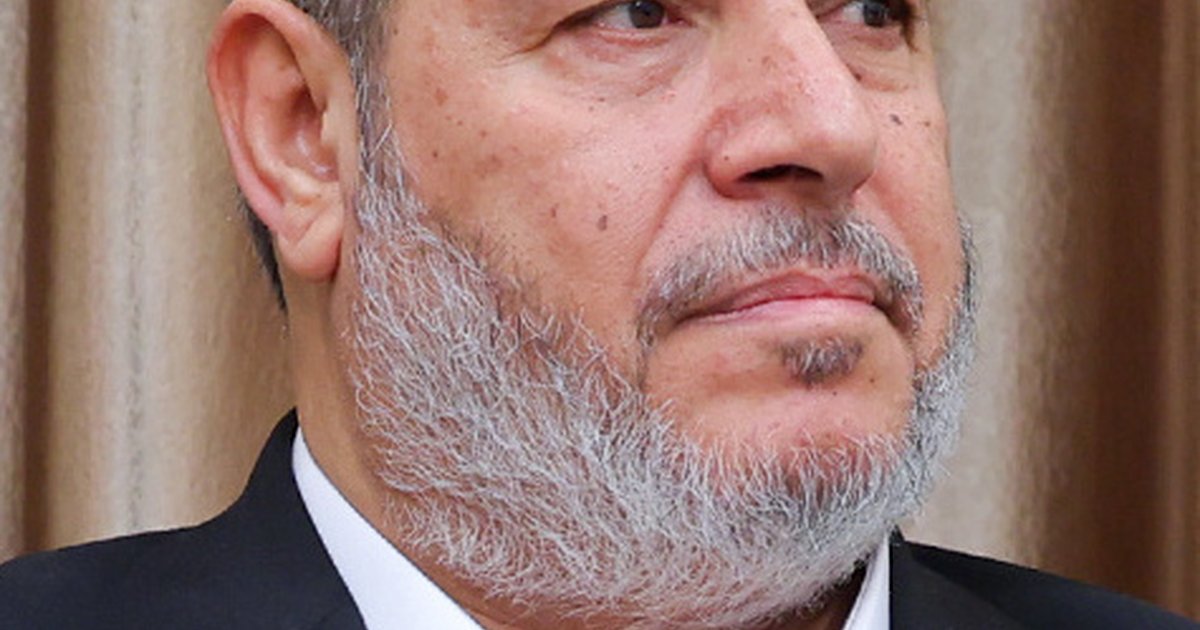
Khalil al-Hayya
KHALIL AL-HAYYA INTELLIGENCE DOSSIER
Khalil al-Hayya is a senior Palestinian political and military leader within Hamas, currently serving as a key figure in the organization's political bureau following recent leadership transitions. His significance derives from his position as a bridge between Hamas's political and armed wings during a period of fundamental strategic realignment. Al-Hayya's emergence reflects Hamas's attempt to consolidate leadership after sustained operational and political losses, making him a critical node in understanding Palestinian resistance faction dynamics and regional negotiation pathways. His role intersects directly with ongoing ceasefire negotiations, Israeli-Palestinian relations, and the broader Middle Eastern power struggle involving Qatar, Egypt, and international mediators.
Al-Hayya's ranking at position 194 on the LeadersCartel Power Index with a score of 1.9 reflects his monitored but limited global influence trajectory. Tracked across 46 distinct intelligence sources, his signal distribution shows one emerging signal against zero high-impact and zero watch-tier indicators, suggesting he is gaining visibility without yet commanding top-tier geopolitical weight. His tier classification as "monitored" indicates intelligence communities view him as a rising figure worth sustained attention. The stability of this ranking suggests neither rapid ascension nor decline, positioning al-Hayya as a consolidating force within Hamas rather than a transformative regional actor comparable to state leaders or major insurgent commanders.
This week's signals highlight al-Hayya's strategic messaging: his inaugural speech as Hamas leader emphasized extending dialogue to all Palestinian factions, signaling organizational attempts at unity. Simultaneously, Hamas's public call for permanent Gaza ceasefire demonstrates tactical repositioning toward negotiation frameworks rather than maximalist demands. These developments indicate internal Hamas strategy has shifted toward legitimacy-building and factional consolidation, likely responding to sustained military pressure and international isolation. The timing of these statements suggests preparation for imminent ceasefire negotiations involving Qatar and international intermediaries.
Analysts should monitor al-Hayya's engagement patterns with Qatar-based mediators and response trajectories to ceasefire proposals over the next 72 hours. The critical trigger event involves whether al-Hayya secures consensus among fractious Hamas military commanders on ceasefire terms, which would signal organizational cohesion and negotiation authenticity to international actors including the Trump administration.