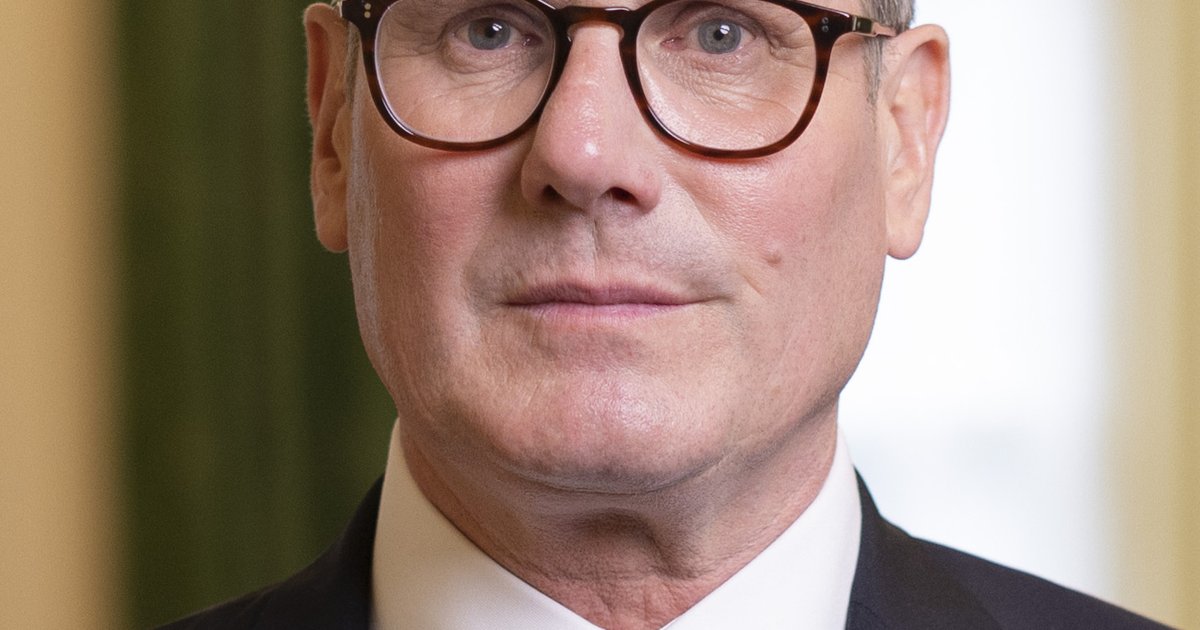
Keir Starmer
KEIR STARMER — UNITED KINGDOM PRIME MINISTER
INTELLIGENCE DOSSIER | CLASSIFICATION: MONITORED
Keir Starmer is the current Prime Minister of the United Kingdom, leading the Labour Party government following electoral victory in 2024. He represents Britain's primary diplomatic interface with NATO, the G7, and European security architecture during a period of heightened geopolitical tension involving Russia, Iran, and Middle Eastern oil markets. Starmer's significance derives from the UK's nuclear arsenal, permanent UN Security Council seat, and role as a transatlantic bridge between the Trump administration and continental Europe under Macron and newly-installed Chancellor Merz in Germany.
On the LeadersCartel Power Index, Starmer maintains a rank of 75 with a score of 5.2, tracked across 35 distinct intelligence sources. His signal distribution shows one emerging indicator and no high-impact movements, suggesting stable but modest influence relative to major global actors. The "monitored" tier classification reflects incremental political developments rather than crisis-level volatility. This positioning indicates Starmer operates within established Western frameworks without commanding autonomous geopolitical leverage—his power derives primarily from institutional British authority rather than personal initiative.
Recent developments confirm domestic political consolidation. Labour successfully defended Starmer's former London seat (Holborn and St Pancras) against Green Party advancement, neutralizing a left-wing challenge that could have signaled erosion of core support. Parallel reporting indicates PM Burnham's Labour operations fended off similar Green incursions in local elections. These signals collectively demonstrate Starmer's party maintaining grip on traditional constituencies despite environmental and social justice movements testing Labour's left flank. The Green Leader Polanski's Westminster gambit failure reinforces Labour's structural dominance in urban progressive demographics.
Analysts should monitor the next 48-72 hours for any statements from Starmer regarding Iran sanctions coordination with the Trump administration or UK energy policy responses to oil market volatility. Watch specifically for whether Starmer convenes emergency energy security meetings with European counterparts, which would signal concern about Iranian escalation or supply-chain disruption—a trigger event indicating elevation from the current "monitored" to "emerging threat" assessment.