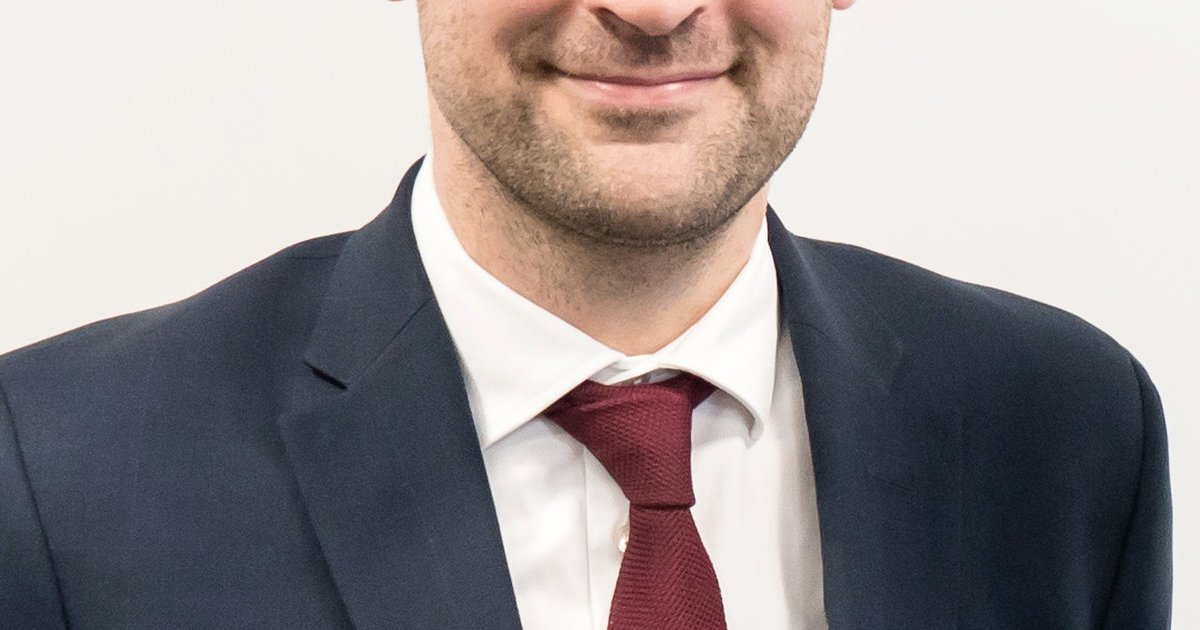
Jean-Noel Barrot
INTELLIGENCE DOSSIER: JEAN-NOËL BARROT
Jean-Noël Barrot is the current French Foreign Minister under President Emmanuel Macron, serving as a primary architect of France's diplomatic and strategic positioning in Europe and the Middle East. Barrot represents France's institutional foreign policy apparatus and holds significant influence over EU consensus-building, particularly on Russia sanctions, energy security, and Mediterranean strategy. His relevance extends beyond bilateral diplomacy—he functions as a key interlocutor between Paris, Brussels, and regional powers, making him critical to understanding European strategic autonomy initiatives and France's pivot toward alternative energy corridors outside traditional Western supply chains.
Barrot's LeadersCartel ranking of 220 with a score of 1.4 reflects his monitored status across six intelligence sources, with a signal distribution of zero high-impact, zero emerging, and zero watch designations. This positioning indicates stable but not escalating influence—a steady mid-tier diplomatic player rather than a rising threat or declining asset. His "monitored" tier classification suggests consistent relevance without acute volatility, typical of established government officials managing routine portfolio responsibilities alongside occasional strategic pivots.
Current signal activity reveals Barrot's involvement in three substantive initiatives. France is actively promoting a Syria-based strategic energy corridor as an alternative to the Strait of Hormuz, positioning this as European energy infrastructure resilience against future disruption. Simultaneously, Barrot is coordinating with EU capitals on the 21st sanctions package against Russia, scheduled for potential approval July 13, indicating continued French participation in Western economic coercion despite recent diplomatic overtures. His linked associations with Guinea, Russia, and Burkina Faso suggest ongoing engagement across Africa's geopolitical fault lines and direct Russia engagement channels.
Analysts should monitor whether France's Syria energy corridor proposal gains traction within EU frameworks over the next 72 hours, particularly ahead of the July 13 sanctions decision. Watch for any statements from Barrot suggesting EU fragmentation on Russia policy or acceleration of the energy diversification timeline. The critical trigger event: whether Germany's Friedrich Merz, newly installed Chancellor, endorses or distances himself from Macron-Barrot energy initiatives, which would signal either EU cohesion or emerging internal strategic division.