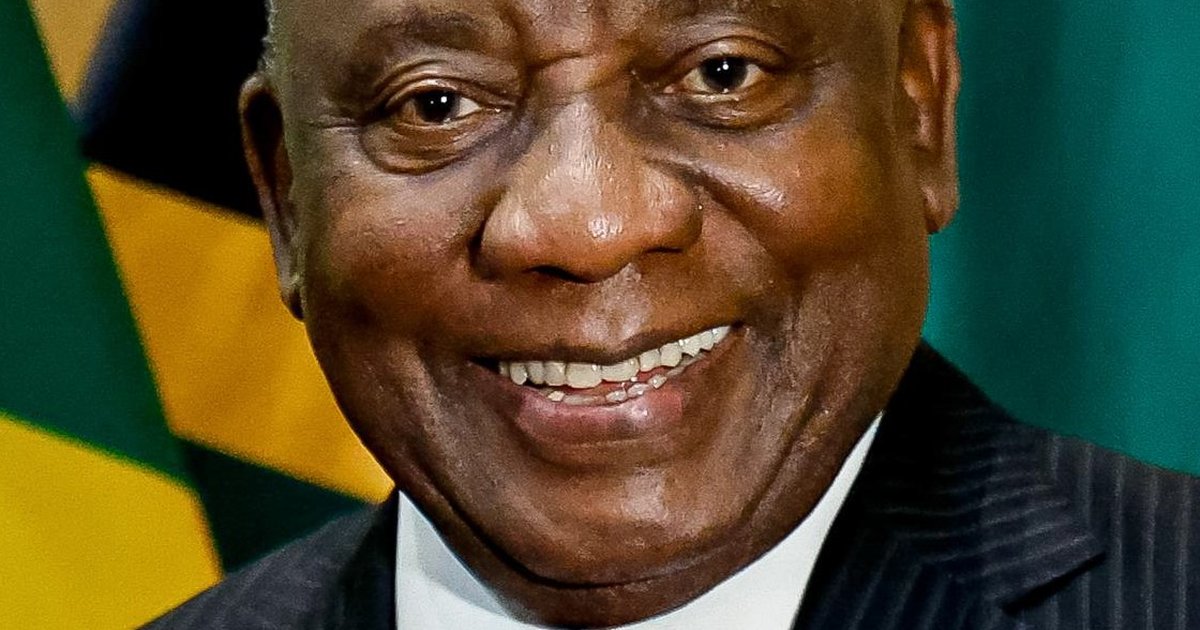
Cyril Ramaphosa
CYRIL RAMAPHOSA — INTELLIGENCE DOSSIER
Cyril Ramaphosa is the current President of the Republic of South Africa, the continent's largest economy and a strategic G20 member state. He commands significant influence across African Union governance, BRICS coordination (alongside current leaders Xi Jinping, Vladimir Putin, and Narendra Modi), and multilateral trade frameworks. South Africa's geopolitical weight stems from its dual role as African economic anchor and emerging-market power broker, making Ramaphosa's operational capacity directly consequential for continental stability, BRICS cohesion, and Western engagement with the Global South.
Ramaphosa currently ranks 154th on the LeadersCartel Power Index with a monitored tier classification, tracked across 91 discrete intelligence sources. His signal distribution shows one high-impact indicator active against zero emerging and zero watch-tier signals, suggesting episodic rather than sustained momentum. The score of 2.0 reflects operational constraints rather than declining influence; his position indicates a leader whose power remains substantial but whose current activity level is below peak capacity. The monitored tier designation suggests elevated tracking due to systemic importance rather than crisis trajectory.
This week's signal cascade reveals acute health and operational disruption. Ramaphosa withdrew from official duties following reported illness after the BRICS summit, a development with direct consequences for South Africa's AU presidency initiatives and BRICS coordination mechanisms. Simultaneously, his administration faced reputational pressure from nine gender-based murder cases requiring high-profile arrests, signaling governance vulnerabilities in the security apparatus. These parallel developments—health constraint plus security perception gap—compress his available bandwidth for international statecraft.
Analysts should monitor Ramaphosa's return-to-duty timeline and medical status over the next 72 hours, as extended absence triggers succession uncertainty and BRICS institutional drift. Watch for any statement from linked nodes Emmanuel Macron or from Ukraine-related channels, as international coordination capacity will clarify. The critical trigger: formal delegation of executive function or confirmation of full operational resumption within 96 hours will define whether this represents temporary incapacity or structural leadership instability.