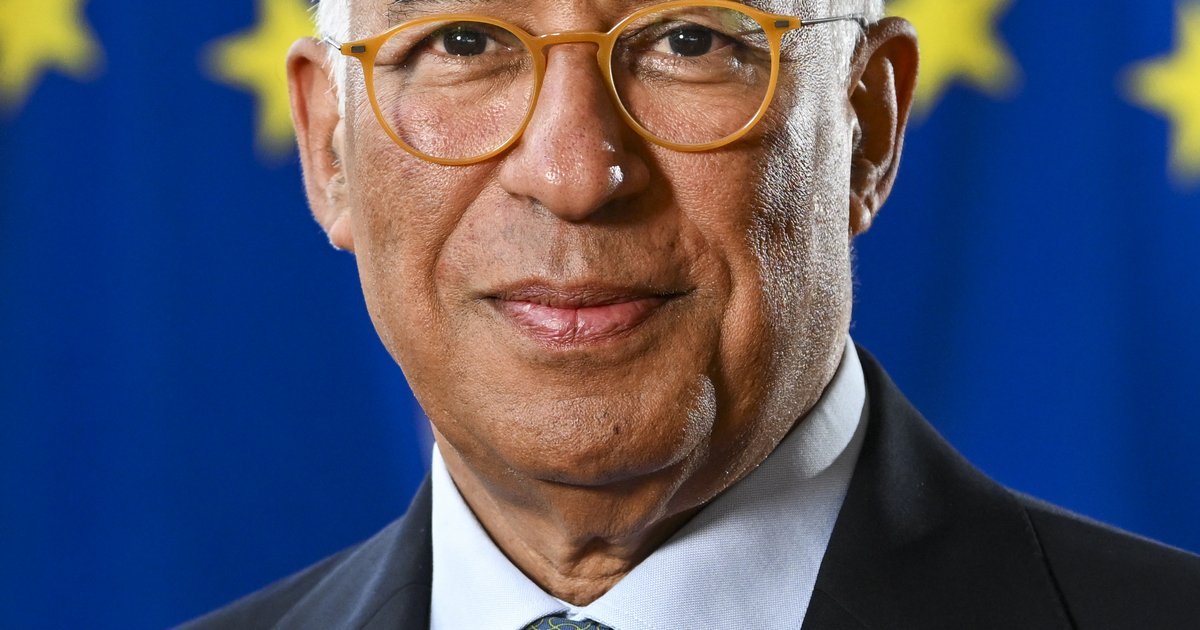
António Costa
INTELLIGENCE DOSSIER: ANTÓNIO COSTA
António Costa is the current President of the European Council, the highest EU institutional leadership position, succeeding Charles Michel in December 2024. As the rotating head of EU member state coordination and crisis management, Costa commands strategic influence over 27 nations' collective foreign and domestic policy responses. His significance derives from control over EU agenda-setting during a period of acute geopolitical fragmentation—managing transatlantic relations under the Trump administration, Ukraine conflict escalation, and internal cohesion pressures across the bloc.
Costa's LeadersCartel ranking of 168 with a power score of 2.0 reflects his institutional prominence but constrained independent authority. The monitored tier status with zero high-impact (H), emerging (E), or watch (W) signals indicates minimal personal leverage independent of his formal position. His trajectory appears stable rather than ascending; the European Council presidency is a fixed-term role with predetermined authority limits, suggesting the score reflects institutional capacity rather than dynamic power accumulation.
This week's headline activity reveals Costa managing three simultaneous crises. The EU's preparation for "potential talks with Putin" signals Costa brokering consensus on negotiation protocols while maintaining sanctions coherence—a delicate balancing act given internal Hungarian-Poland tensions. Simultaneously, European leaders are scrambling to shore up an "international order" framework under the Trump administration's revisionist pressure, placing Costa at the negotiating center. His chairmanship of the European Council presidency session itself represents the third signal, indicating active crisis management across institutional channels.
Analysts should monitor Costa's coalition-building capacity over the next 72 hours, particularly whether informal summits produce unified EU positioning on Russian negotiations or splinter along geopolitical lines. The critical trigger event: any unilateral EU member bilateral engagement with Moscow that contradicts Council consensus would signal Costa's institutional authority erosion.
No active signals currently tracked.