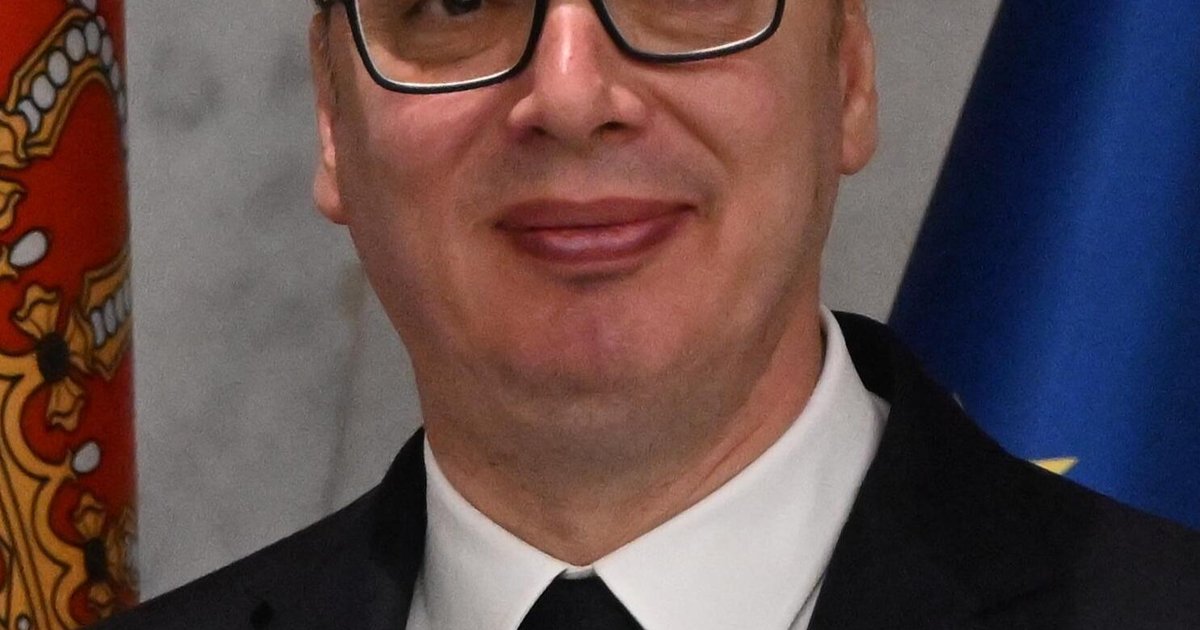
Aleksandar Vucic
ALEKSANDAR VUCIC: SERBIAN PRESIDENTIAL AUTHORITY & REGIONAL BALANCER
Aleksandar Vucic is the current President of Serbia, holding executive authority over a strategically positioned Balkan nation at the intersection of European and Russian spheres of influence. As Serbia's dominant political figure, Vucic commands significant leverage in regional stability negotiations, EU accession pathways, and great-power competition dynamics. His personal political survival and electoral mandate directly affect Belgrade's orientation toward NATO, Moscow, and Brussels—making his domestic political movements consequential for broader European security architecture.
Vucic's LeadersCartel ranking of 202 with a score of 1.4 reflects monitored-tier status across eight intelligence sources, with signal distribution weighted at 0H/0E/0W. This positioning indicates stable but non-dominant global influence; he operates below the threshold of immediate crisis-level decision-makers but retains sufficient institutional control to shape regional outcomes. The lack of high-impact signals suggests his current period is consolidative rather than expansionary, though Serbian domestic political turbulence creates latent instability in European periphery calculations.
The three highlighted developments center on parliamentary dissolution and snap elections scheduled for October 25. These signals indicate Vucic initiated early elections to test his political mandate amid contested governance questions. This tactical dissolution—announcing early polls to consolidate power rather than responding to legislative collapse—suggests confidence in electoral machinery but potential underlying pressure requiring renewed legitimacy validation.
Analysts should monitor Serbian election dynamics through October, tracking whether Vucic retains supermajority control and any shifts in EU versus Russia positioning rhetoric. The specific trigger event to watch is campaign messaging around energy dependency on Russian gas and NATO interoperability; any hardening of Vucic's balancing act signals potential realignment pressure from Washington or Brussels.