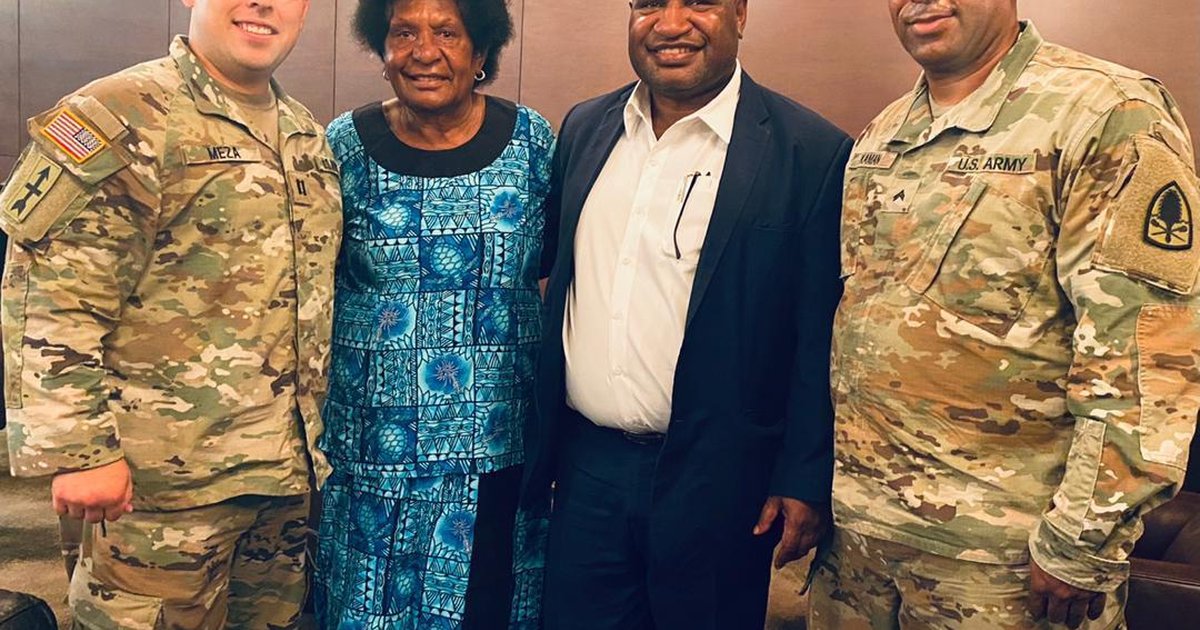
Papua New Guinea
Papua New Guinea is an island nation in the southwestern Pacific Ocean and a Commonwealth realm with a Westminster parliamentary system currently led by Prime Minister James Marape. As a country of 9 million people and significant natural resource wealth, PNG holds strategic importance as a regional counterweight to Chinese influence in the Indo-Pacific, a critical partner for Australia's security architecture, and a potential gateway for US engagement in the Pacific Islands Forum bloc. The nation controls substantial reserves of liquefied natural gas, minerals, and fisheries, making it economically pivotal despite governance challenges and infrastructure constraints that limit its global leverage.
PNG ranks 159 on the LeadersCartel Power Index with a score of 1.9 out of 100, reflecting monitored-tier status across two active intelligence sources with one emerging signal and zero high-impact indicators currently active. This low positioning reflects structural constraints: limited institutional capacity, recurring political instability, and dependence on commodity export cycles rather than diversified economic strength. The emerging signal category suggests nascent developments that warrant close observation, indicating PNG's power dynamics remain fluid and responsive to regional geopolitical shifts, particularly around Pacific security partnerships and China's expanding regional footprint.
Three critical developments emerged this week. PNG parliament advanced consideration of Bougainville region's independence bid, a constitutional matter with sovereignty implications affecting territorial integrity and potentially reshaping South Pacific political boundaries. Simultaneously, Prime Minister Marape held strategic talks that secured a significant professional rugby partnership with the PNG Chiefs, signaling soft power deployment through sports diplomacy and regional sporting integration. Brian To'o's continued prominence in this sports context reflects broader PNG positioning within regional institutional frameworks.
Analysts should monitor whether Bougainville's independence referendum progresses toward formal implementation, as this would substantially alter PNG's governance structure and international standing. The timing of sports diplomacy initiatives concurrent with constitutional discussions suggests deliberate strategy to build regional partnerships and domestic consensus. Watch for any statements from Australia, the US, or China regarding PNG's territorial restructuring or Pacific security positioning within the next 72 hours, as external powers will immediately signal their strategic preferences regarding this outcome.