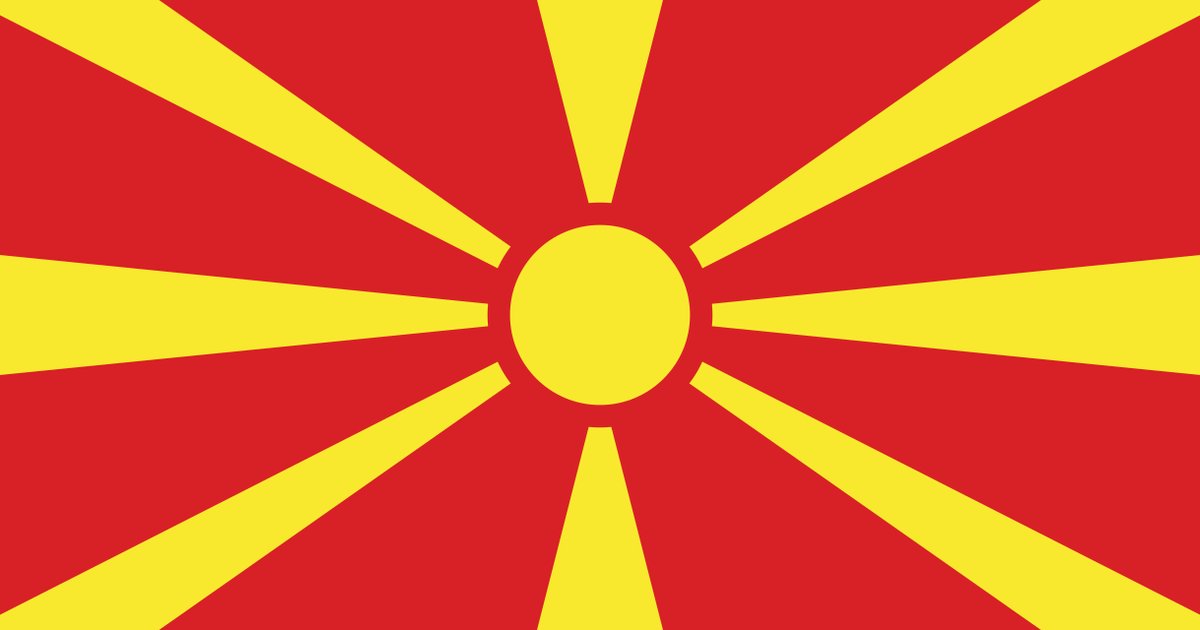
North Macedonia
# INTELLIGENCE DOSSIER: NORTH MACEDONIA
## ENTITY PROFILE
North Macedonia is a Balkan nation-state of approximately 2 million people, currently led by a government navigating complex regional geopolitics between NATO/EU integration and Russian influence operations. The country's strategic significance derives from its position as a NATO member since 2020 and EU candidate state, serving as a critical buffer in Southeast Europe amid ongoing Russian efforts to undermine Western alignment in the region. North Macedonia controls key transport corridors connecting Greece, Serbia, Albania, and Kosovo, making it operationally important to NATO logistics and EU infrastructure projects. Its historical vulnerability to Russian energy dependence and ongoing reconciliation efforts following the 2001 conflict create persistent governance fragility that Moscow actively exploits.
## LEADERSCARTEL POWER INDEX ASSESSMENT
North Macedonia registers at rank 192 on the LeadersCartel Power Index with a score of 1.5/100, placing it in the "monitored" tier across four intelligence sources with zero high-impact signals, zero emerging signals, and zero watch-level signals currently active. This baseline positioning reflects the nation's limited independent geopolitical leverage and structural dependency on NATO/EU frameworks for security guarantees. The monitored classification—rather than elevated alert status—indicates stability in formal governmental structures but masks concerning undercurrents: the absence of high-impact signals suggests Russian influence operations remain below active escalation thresholds, operating through long-term energy cooperation frameworks rather than acute destabilization attempts.
## KEY DEVELOPMENTS
Recent signals indicate deepening energy security negotiations between North Macedonian political figures and Russian counterparts, signaling Moscow's strategic pivot toward economic interdependence rather than direct confrontation. Simultaneously, the nation marks 25 years since the Ohrid Agreement, with competing narratives emerging around reconciliation progress—headlines reference both "reconciliation in sight" and questions about whether "peace is holding," suggesting fragile ethnic consensus that external actors could exploit. These developments intersect critically: Russian energy partnerships could leverage North Macedonia's internal reconciliation vulnerabilities by tying economic survival to geopolitical neutrality demands.
## OUTLOOK: 48-72 HOUR MONITOR
Analysts should track EU/NATO responses to reported Russian energy cooperation overtures and assess whether reconciliation anniversary commemorations reveal new ethnic tensions explo