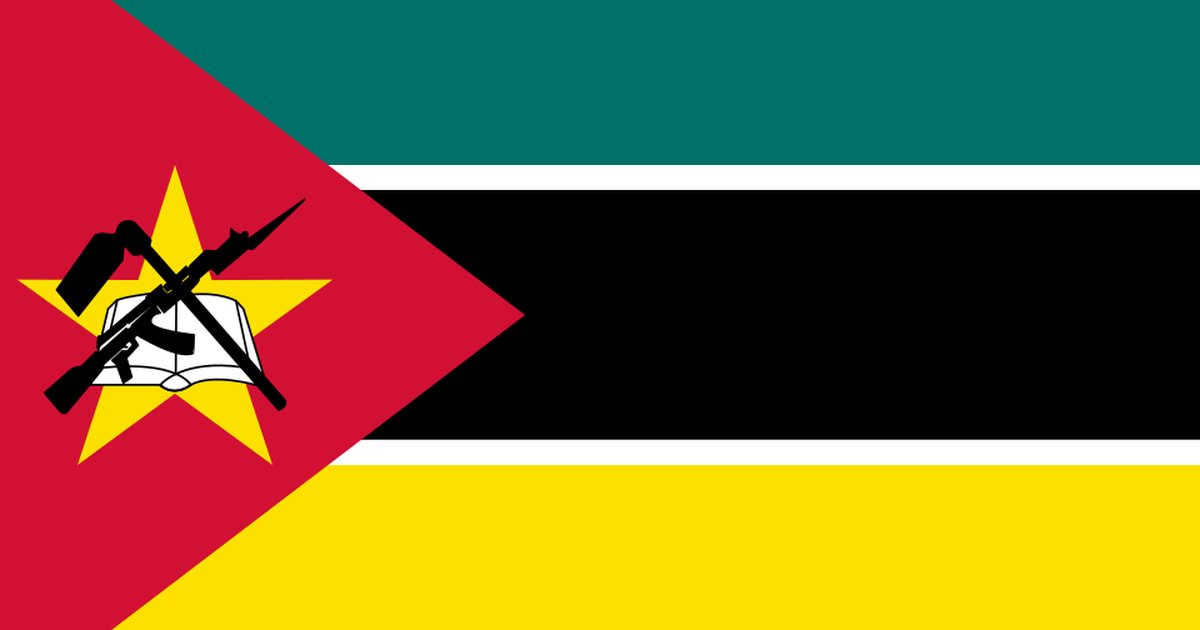
Mozambique
MOZAMBIQUE INTELLIGENCE DOSSIER
Mozambique is a Southern African nation-state currently led by a transitional government navigating post-election political volatility and is strategically significant as a critical maritime gateway controlling Indian Ocean access routes and housing substantial natural gas reserves. The country serves as a geopolitical buffer zone between Chinese and Indian spheres of influence while maintaining contested relationships with Western powers and Russia. Mozambique's Liquified Natural Gas sector, particularly the Rovuma Basin projects, positions it as an emerging energy supplier to global markets, making its stability directly relevant to energy security for European and Asian consumers.
Mozambique ranks 143rd on the LeadersCartel Power Index with a score of 2.5, classified under monitored tier status with signal distribution of zero high-impact, two emerging, and zero watch-level indicators across fifteen tracked intelligence sources. This mid-tier ranking reflects Mozambique's limited direct geopolitical leverage despite significant resource endowments—the nation remains dependent on external actors for security and economic development. The emerging signal classification suggests developing situations warrant close observation without immediate crisis-level concern, indicating a state experiencing incremental power shifts rather than dramatic transitions.
Three critical developments emerged this week. Russia's Baltic Fleet training ship Perekop concluded port operations in Mozambique, signaling renewed Moscow strategic interest in Indian Ocean positioning and potentially offsetting Western naval influence in the region. Simultaneously, Mozambique government announced a December deadline for illegal weapons surrender, indicating active state consolidation efforts following internal armed conflict and suggesting improved governance capacity. An Irish survivor account from the Mozambique massacre narrative underscores ongoing security challenges and potential international humanitarian concerns that could trigger diplomatic complications or sanctions pressure.
Monitor the December weapons deadline implementation rate as primary indicator of government control consolidation. Analysts should track Russian naval frequency return to Mozambique ports and assess whether this represents sustained strategic engagement or tactical positioning. The critical 48-72 hour trigger: any credible external military intervention announcement or cross-border insurgent activity would rapidly elevate Mozambique's Power Index ranking and shift monitoring classification upward.