Maldives
# INTELLIGENCE DOSSIER: MALDIVES REPUBLIC
The Maldives is a sovereign island nation in South Asia, currently led by President Mohamed Muizzu, holding strategic significance as a critical maritime chokepoint in the Indian Ocean and a geopolitical proxy battleground between India and China. With 1,190 coral islands spanning 26 atolls across approximately 90,000 square kilometers of ocean, the Maldives controls vital shipping lanes connecting the Middle East, Europe, and Asia-Pacific regions. Despite its small population of 540,000, the nation commands disproportionate strategic weight due to its geographic position, substantial exclusive economic zone, and tourism-dependent economy worth approximately $4.6 billion annually. The country maintains complex diplomatic relationships with India, its historical security guarantor, and China, its primary infrastructure investor and creditor, making internal political stability directly consequential for regional power dynamics.
Tracking across two intelligence sources, the Maldives currently ranks 244th on the LeadersCartel Power Index with a score of 1.3, reflecting its limited direct influence on global affairs despite outsized regional relevance. The zero-signal distribution across high-impact, emerging, and watch categories indicates the nation remains in a monitored tier status, suggesting political volatility without immediate destabilizing triggers. This ranking reflects Maldives' constrained hard power capabilities, economic vulnerability, and dependency on external security guarantors, though its strategic geography prevents complete marginalization in power calculations.
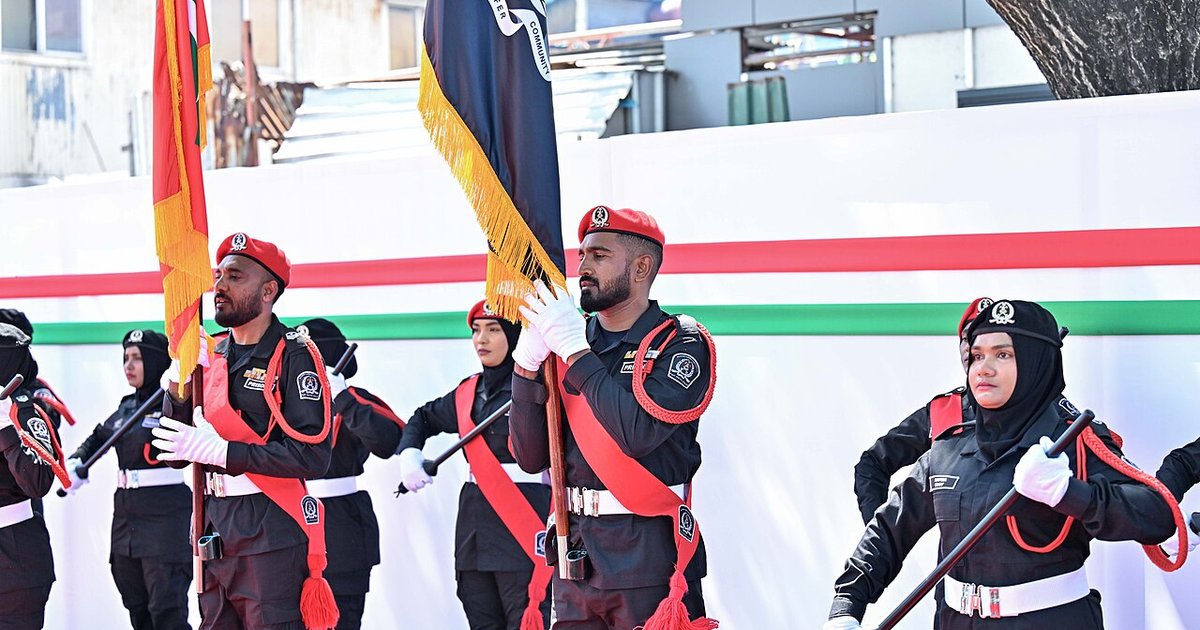
This week's intelligence signals reveal intensifying constitutional reform discussions within opposition political circles, with the primary headline indicating opposition forces are advancing a sweeping constitutional overhaul agenda. Simultaneously, domestic institutional capacity-building continues with 151 officer trainees participating in the 78th batch's Dikshant Parade at the National Academy, suggesting parallel investments in military professionalization and state security apparatus strengthening. These developments suggest competition between constitutional reformers and institutional consolidators within Maldives' political structure, potentially indicating President Muizzu's consolidation efforts versus opposition democratization pressures.
Over the next 72 hours, analysts should monitor whether constitutional reform discussions translate into formal legislative proposals or remain rhetorical positioning. The critical trigger event to watch is any public statement from the government regarding constitutional amendment timelines or parameters, which would signal either