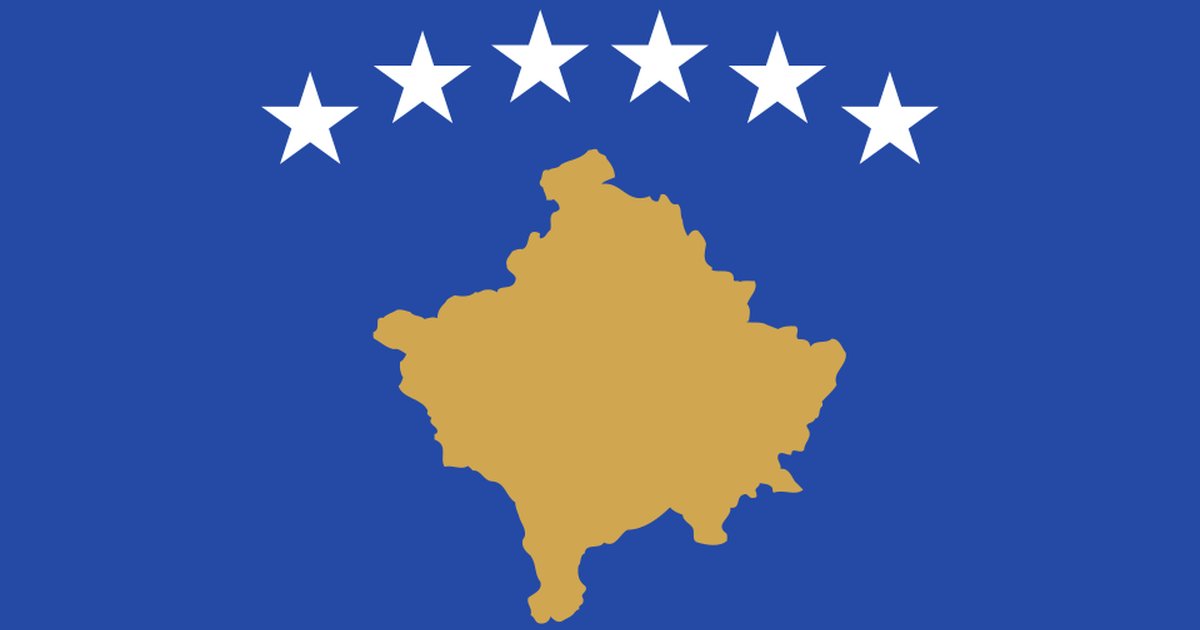
Kosovo
KOSOVO INTELLIGENCE BRIEF
Kosovo is a small Balkan nation-state with a population of approximately 1.6 million, strategically positioned between Serbia, Albania, North Macedonia, and Montenegro. Despite its modest size and economy, Kosovo maintains outsized geopolitical significance as a contested territory whose sovereignty remains unrecognized by Serbia and several UN members, creating persistent regional instability. The country serves as a critical node in Southeast European power dynamics, with historical ties to NATO intervention and ongoing EU integration ambitions. Kosovo's mineral wealth, particularly in lignite and metal deposits, combined with its position along major trafficking corridors, elevates its strategic importance beyond its economic output.
Kosovo currently ranks 157th on the LeadersCartel Power Index with a score of 2.4 out of 100, tracked across 15 active intelligence sources. The signal distribution shows 0 high-impact indicators, 2 emerging signals, and 0 watch-list items, indicating Kosovo operates below sustained visibility thresholds for major power dynamics. This monitored tier status reflects a nation with limited independent leverage in regional affairs, heavily dependent on EU and NATO frameworks. Kosovo's relatively weak Power Index position stems from constrained military capabilities, limited economic diversification, and continued vulnerability to Serbian pressure—factors that suppress its autonomous decision-making capacity in Balkan affairs.
This week, Kosovo lawmakers elected Justina Pula as the country's new president during a late-night parliamentary vote designed to avert potential snap elections, according to multiple headlines. This development signals internal political stabilization efforts amid crisis conditions, suggesting Kosovo's government prioritized institutional continuity over electoral processes. The election of Shiroka Pula represents a critical juncture in Kosovo's leadership transition, occurring against unspecified destabilizing pressures that necessitated rapid parliamentary action. These signals indicate active governance challenges within Kosovo's fragile political structure.
Analysts should monitor Kosovo-Serbia tension escalation over recognition and North Mitrovica control for the next 72 hours, particularly any statements from Belgrade or unilateral administrative actions. Watch for EU and NATO coordination responses to Kosovo's political consolidation. The critical trigger event to track is whether Pula's presidency receives explicit backing from Emmanuel Macron's France or other major EU powers, which would substantially elevate Kosovo's diplomatic positioning and signal Western commitment to regional