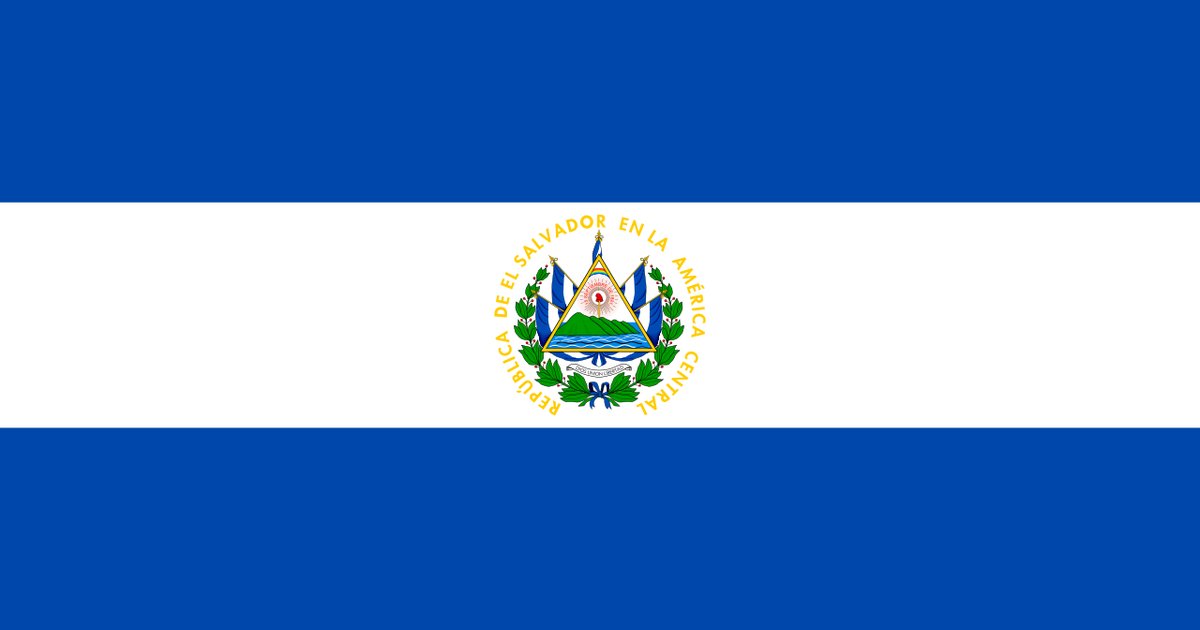
El Salvador
El Salvador is a Central American nation-state currently under the administration of President Nayib Bukele, whose security-focused governance model has become a regional blueprint for authoritarian crime management. With a population of 6.3 million and strategically positioned between major drug trafficking corridors, El Salvador functions as both a transhipment hub and operational base for criminal organizations, making its internal stability directly consequential to US border security and regional gang dynamics.
El Salvador maintains a LeadersCartel Power Index ranking of 210 with a composite score of 1.7, indicating marginal geopolitical influence despite outsized regional significance. Tracked across 10 active intelligence sources with signal distribution weighted toward 1 emerging indicator and baseline watch-level positioning, the nation's position reflects Bukele's personalist governance model rather than institutional state capacity. The "monitored" tier classification signals that while El Salvador lacks traditional great-power leverage, its policy innovations and security experiments warrant continuous analytical attention as potential precedent-setters for the Trump administration's hardline crime enforcement approach.
Three concurrent signals reveal acceleration in Bukele's carceral state model. His announced plan to release up to 50 percent of individuals arrested under the existing state of emergency demonstrates strategic recalibration of detention policy, likely responding to international human rights pressure while maintaining security theater. Costa Rica's simultaneous adoption of a "Bukele-style mega-prison" indicates successful horizontal policy diffusion across Central America. Most significantly, President Trump's amplification of El Salvador prison footage suggests direct ideological alignment and potential policy coordination on transnational gang suppression, elevating El Salvador's operational relevance to US domestic security narratives.
Analysts should monitor whether Bukele's mass release announcement presages policy reversal or represents tactical repositioning ahead of potential US-El Salvador security coordination. The critical trigger event within 48-72 hours involves Trump administration statements regarding enhanced bilateral law enforcement cooperation, which would signal intention to formalize El Salvador as the regional enforcement model for the next presidential term.