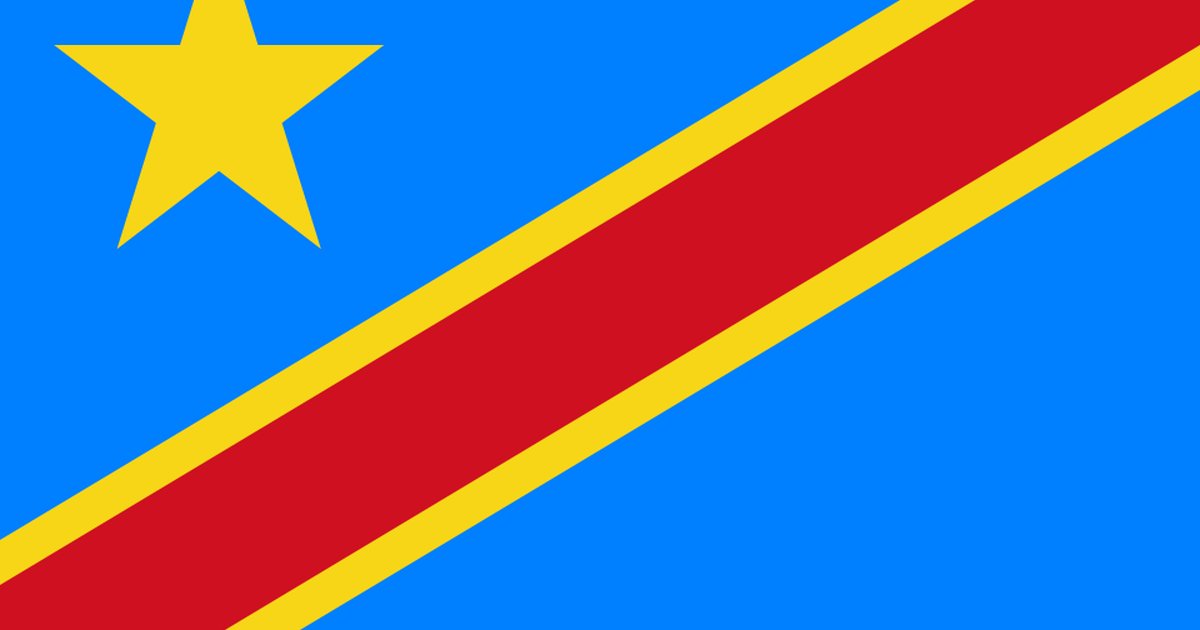
DR Congo
INTELLIGENCE DOSSIER: DEMOCRATIC REPUBLIC OF CONGO
CLASSIFICATION: SENIOR ANALYST BRIEF | 2026
The Democratic Republic of Congo is a Central African nation-state currently led by Felix Tshisekedi, holding strategic significance as the world's largest cobalt producer and a critical node in global supply chain infrastructure. DR Congo commands geopolitical weight disproportionate to its institutional stability, controlling mineral resources essential to semiconductor and battery manufacturing while serving as a regional flashpoint for competing great-power interests, particularly Chinese investment in resource extraction and Western security concerns regarding state fragility.
DR Congo currently ranks 203rd on the LeadersCartel Power Index with a score of 1.6 out of 100, representing a "monitored" tier entity tracked across 15 active intelligence sources. The signal distribution reveals 0 high-impact signals, 2 emerging signals, and 0 watch-status alerts, indicating stability in monitoring protocols rather than institutional strength. This ranking reflects persistent governance deficits, limited diplomatic leverage, and minimal hard power projection capability, though the entity maintains relevance through resource dependency among global powers. The low score masks hidden leverage: DR Congo's mineral monopoly means its instability cascades through international markets, making it perpetually monitored despite weak traditional power metrics.
Three critical developments emerged this reporting cycle. First, Kenya implemented heightened border alert protocols following an Ebola outbreak originating in DR Congo, signaling regional health infrastructure vulnerability and potential population displacement risks. Second, at least 10 students died as the outbreak spread, indicating inadequate epidemic containment and imminent humanitarian crisis escalation. Third, DR Congo formally protested Formula One's decision to hold races in neighboring Rwanda, exposing diplomatic tension with regional competitor Rwanda and revealing DR Congo's marginalization in continental economic positioning.
Analysts should monitor three 72-hour indicators: cross-border Ebola spread into Uganda or Kenya triggering international health emergency declarations; any statements from Beijing regarding cobalt supply chain reassurance (suggesting confidence erosion); and Rwanda-DR Congo diplomatic escalation. The critical trigger event remains Ebola mortality trajectory—should deaths exceed 50 within seven days, expect IMF emergency assistance requests and potential military medical deployment from NATO partners, fundamentally shifting continental power dynamics and creating vacuum for competing state influence.