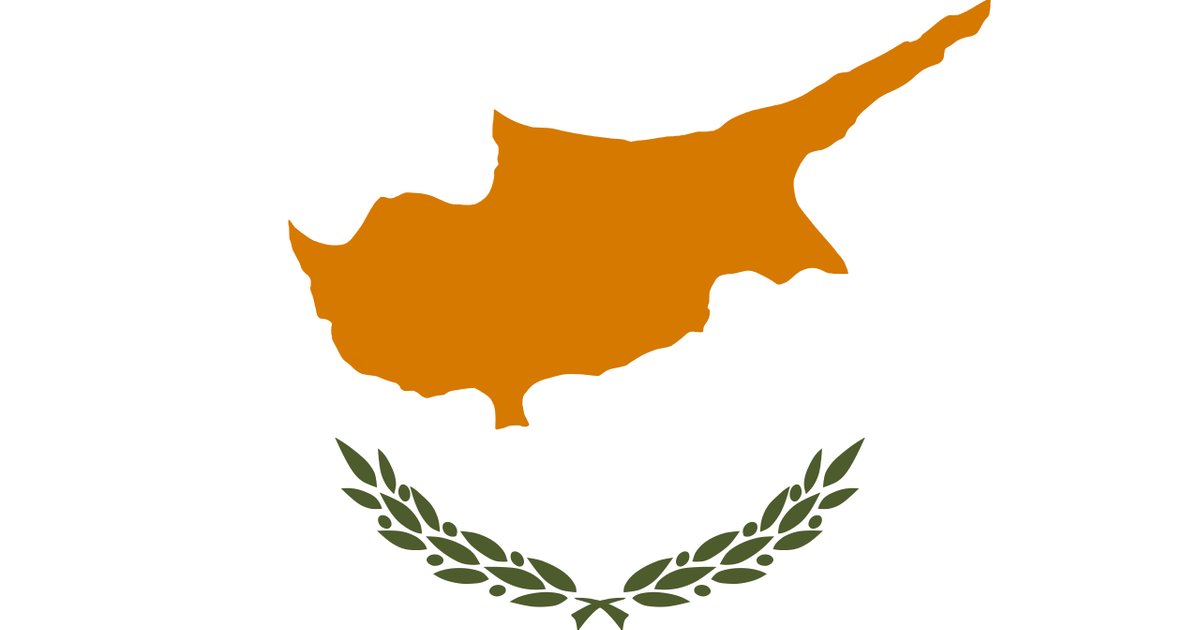
Cyprus
INTELLIGENCE DOSSIER: CYPRUS
Cyprus is a Republic and Eastern Mediterranean island nation of approximately 1.2 million persons, currently positioned as a strategic flashpoint between NATO, European Union, and Turkish interests. Despite modest population and GDP, Cyprus holds disproportionate geopolitical weight due to its maritime exclusive economic zone containing significant natural gas reserves, its location on critical shipping lanes, and its role as a potential energy hub linking Europe to Middle Eastern and Eastern Mediterranean resources. The unresolved division between Greek and Turkish communities since 1974, combined with Turkish military presence in the north, ensures Cyprus remains a persistent tension point within NATO and EU frameworks.
Cyprus ranks 127th on the LeadersCartel Power Index with a score of 3.5, classified under monitored tier status across 33 active intelligence sources. The signal distribution reveals zero high-impact signals, three emerging signals, and zero watch-level signals, indicating Cyprus operates below threshold for acute crisis but maintains steady diplomatic engagement. This rank reflects limited independent power projection capacity, heavy dependence on EU and NATO patron states, and vulnerability to Turkish pressure—factors driving stable but constrained positioning. Cyprus's score trend suggests neither rapid ascension nor decline, but rather entrenchment within existing constraint parameters.
A US senator publicly accused Turkey of thuggish behavior toward both Greece and Cyprus, signaling renewed American congressional scrutiny of Turkish regional conduct—a development with direct consequences for NATO cohesion and defense posture discussions. Simultaneously, EU-Turkey summit scheduled for October aims to restart Cyprus reunification talks, indicating diplomatic momentum despite historical stagnation. These signals suggest Cyprus remains actively contested rather than dormant, with external powers leveraging the dispute for broader strategic positioning.
Analysts should monitor whether the October EU-Turkey summit produces substantive negotiating frameworks or remains performative. The trigger event warranting immediate escalation alert: any Turkish military activity in disputed maritime zones or unilateral resource exploration announcements, which would activate Cyprus's vulnerability profile and potentially fracture EU-NATO consensus on Turkish relations.