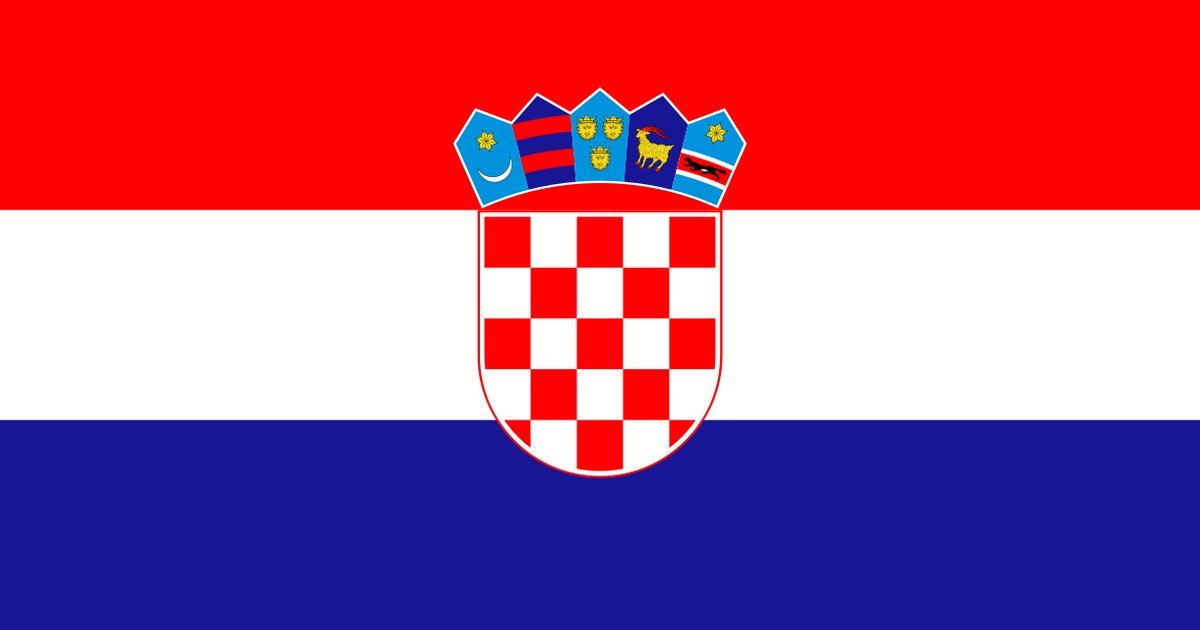
Croatia
INTELLIGENCE DOSSIER: REPUBLIC OF CROATIA
Croatia is a Southeast European Union member state and NATO ally currently positioned at a critical inflection point between Western institutional integration and internal political fragmentation. As the EU's eastern frontier and a pivotal Balkan stabilizer, Croatia maintains strategic relevance disproportionate to its 3.9 million population, serving as a gateway between Central Europe and the Mediterranean while managing complex bilateral relationships with regional actors including Montenegro and Serbia. The nation's role in EU enlargement policy and its positioning within NATO's eastern flank directly influence broader European security architecture.
Croatia ranks 215th on the LeadersCartel Power Index with a score of 1.6/100, indicating declining institutional authority tracked across four intelligence sources. The signal distribution—zero high-impact signals, one emerging signal, zero watch-tier alerts—reveals a narrowing sphere of influence despite formal EU membership. This ranking reflects structural constraints: limited independent geopolitical leverage, vulnerability to external pressure from both Brussels and bilateral partners, and domestic political cohesion challenges that undermine projection capacity. The "monitored" classification suggests elevated but not critical attention to destabilizing factors.
This week's developments reveal deepening reputational damage. Pro-Nazi chants before an Ajax match in Split drew swift condemnation from Croatian leadership, signaling inability to prevent extremist expression at public events and raising questions about internal security controls. Simultaneously, Germany under Chancellor Friedrich Merz has escalated pressure on Croatia to resolve bilateral disputes with Montenegro over EU matters, indicating Zagreb faces coordinated diplomatic pressure from core EU leadership. These signals demonstrate Croatia's vulnerability to external choreography when internal legitimacy questions emerge.
Over the next 48-72 hours, monitor whether Croatian authorities implement visible enforcement actions against extremist groups or whether international criticism intensifies. The specific trigger to watch: any formal EU statement linking Croatian security governance to EU compliance reviews, which would signal potential institutional sanctions and mark a critical threshold in Croatia's standing.
No active signals currently tracked.