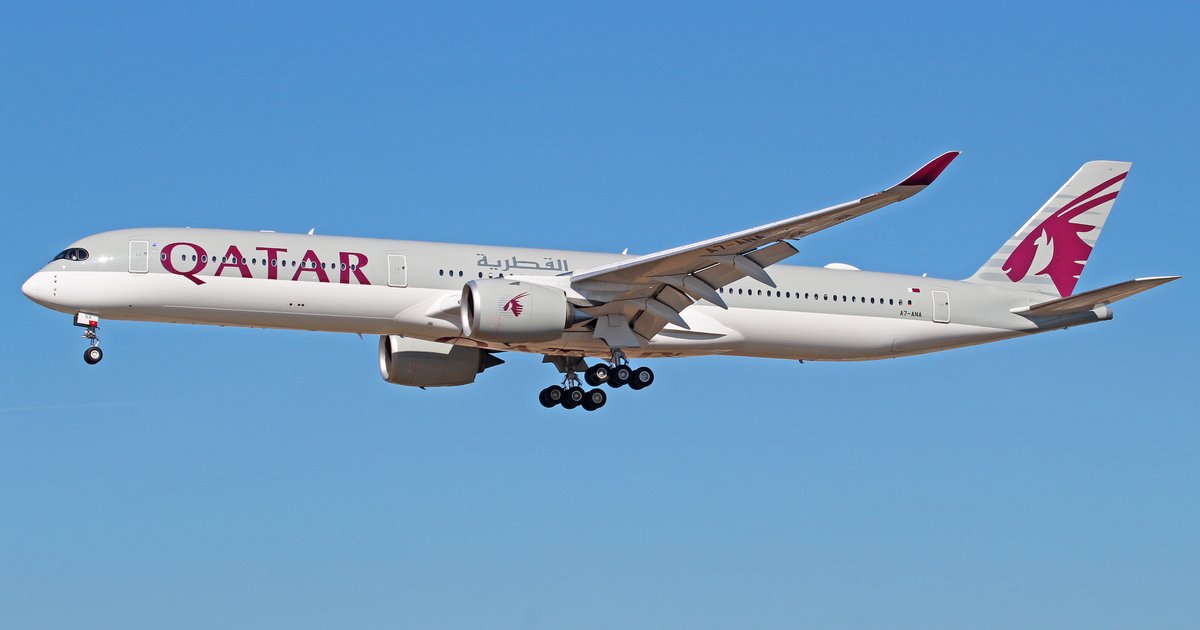
Qatar Airways
INTELLIGENCE DOSSIER: QATAR AIRWAYS
Qatar Airways is a state-owned airline operator headquartered in Doha, Qatar, under the sovereignty of Emir Tamim bin Hamad Al Thani's government. As the flag carrier of Qatar, the airline represents critical infrastructure for the nation's aviation and tourism strategy, serving as both a commercial entity and geopolitical instrument. Qatar Airways operates one of the world's most extensive global route networks from its Hamad International Airport hub, positioning it as a major player in international air transport connecting Europe, Asia, Africa, and the Americas. The carrier's significance extends beyond commercial operations; it embodies Qatar's soft power projection, leveraging premium service delivery and strategic partnerships to enhance the nation's global standing during a period of evolving Gulf cooperation frameworks.
Qatar Airways maintains a "monitored" tier classification on the LeadersCartel Power Index at rank 185 with a composite score of 1.5 across four active intelligence sources. The zero-signal distribution pattern (0H/0E/0W) indicates minimal high-impact or emerging indicators currently flagging escalation, suggesting operational stability without immediate momentum shifts. This positioning reflects the airline's established but non-dominant status within global aviation hierarchies—present on strategic radars but not commanding primary analyst focus. The company's stable tier classification suggests consistent performance metrics without recent catalyst events driving significant power index volatility.
This week's intelligence highlights three concurrent developments affecting Qatar Airways' strategic positioning. Behind-the-scenes operational analysis reveals passenger volume metrics indicating sustained capacity utilization across regional and international routes. Separately, Hong Kong aviation discussions underscore competitive route expansion dynamics, with Qatar Airways maintaining position in contested Asian-Pacific market segments. The opening of a new cargo office in Central Asia signals deliberate infrastructure investment supporting the airline's logistics expansion, particularly relevant given the geopolitical significance of Central Asian trade corridors connecting Chinese and European markets.
Analysts should monitor Qatar Airways' capital deployment patterns across Central Asian logistics infrastructure over the next 72 hours, particularly coordination with international freight partners. Track any announcements regarding Chinese route frequency increases, given Belt and Road corridor sensitivities. The specific trigger event requiring immediate attention is any new bilateral air service agreement announcements involving either Chinese or European authorities, which would indicate shifts in the airline's strategic positioning within evolving geopolitical trade blocs