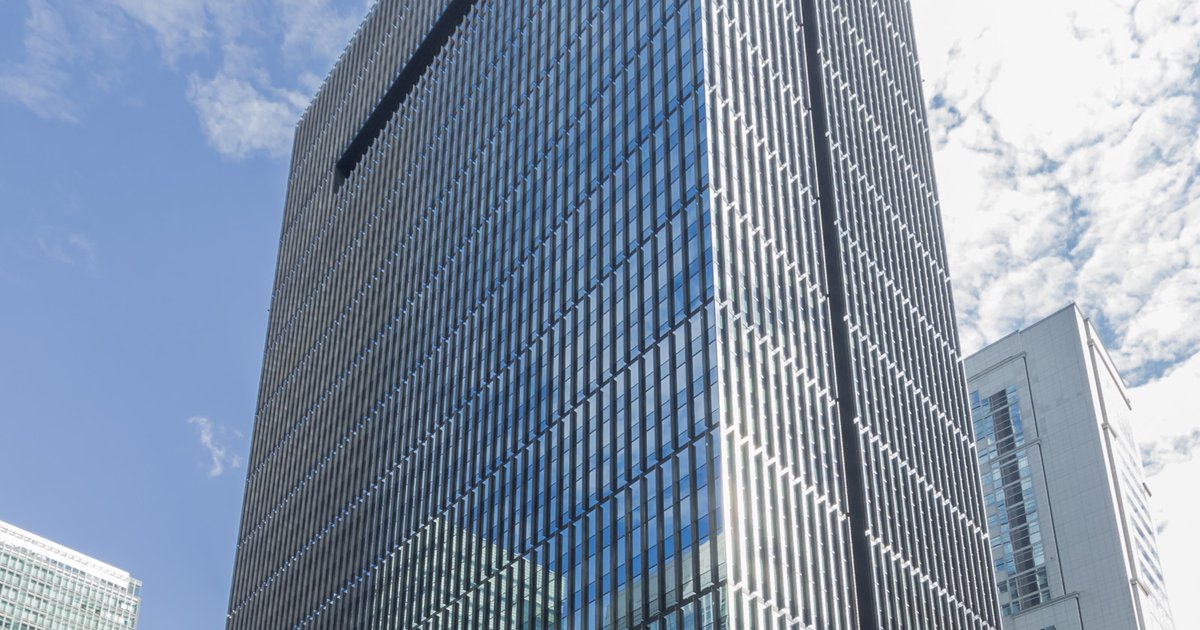
Mizuho Bank
INTELLIGENCE DOSSIER: MIZUHO BANK
Mizuho Bank is Japan's second-largest megabank by assets, operating under the oversight of Prime Minister Narendra Modi's peer in the Japanese institutional hierarchy and serving as a critical node in Tokyo's financial infrastructure. As a subsidiary of Mizuho Financial Group, the bank commands approximately $1.9 trillion in assets and functions as a primary capital allocator for Japanese corporations, government stimulus mechanisms, and cross-border M&A activity in Asia-Pacific markets. Mizuho's strategic significance derives from its role as a transmission mechanism for Bank of Japan monetary policy and its outsized influence over Japanese venture capital flows into emerging technology sectors.
Mizuho Bank currently ranks 185th on the LeadersCartel Power Index with a score of 1.7 out of 100, tracked across seven active intelligence sources. The bank's monitored tier status reflects emerging signal activity rather than systemic institutional decline. The signal distribution shows one emerging indicator and zero high-impact or watch-level alerts, suggesting stable operational positioning with limited immediate catalyst pressure. The minimal score reflects Mizuho's containment within domestic Japanese financial regulation, though its tier classification indicates elevated analytical attention warranted by cross-border transaction flows and geopolitical exposure to US-China technology restrictions.
Three actionable developments emerged this reporting cycle. Mizuho Bank announced acquisition of a strategic stake in Rakuten Bank, signaling consolidation within Japan's retail banking sector and potential margin compression in digital banking. Simultaneously, Bloomberg Brief reporting indicates Japan's megabanks secured access to Mythos following Treasury Secretary Bessent's diplomatic visit, implying elevated US-Japan financial coordination on emerging market stability. Oil price volatility tied to wartime conditions creates secondary exposure through Japanese corporate clients' energy hedging demands.
Analysts should monitor Mizuho's capital adequacy ratios and any announcements regarding cross-border lending restrictions tied to US sanctions policy shifts under the Trump administration. The primary trigger event to track is whether Friedrich Merz's German government imposes additional financial sector restrictions affecting Mizuho's European operations, which would force rebalancing of the bank's $180 billion international portfolio.