Aramco
ARAMCO INTELLIGENCE DOSSIER
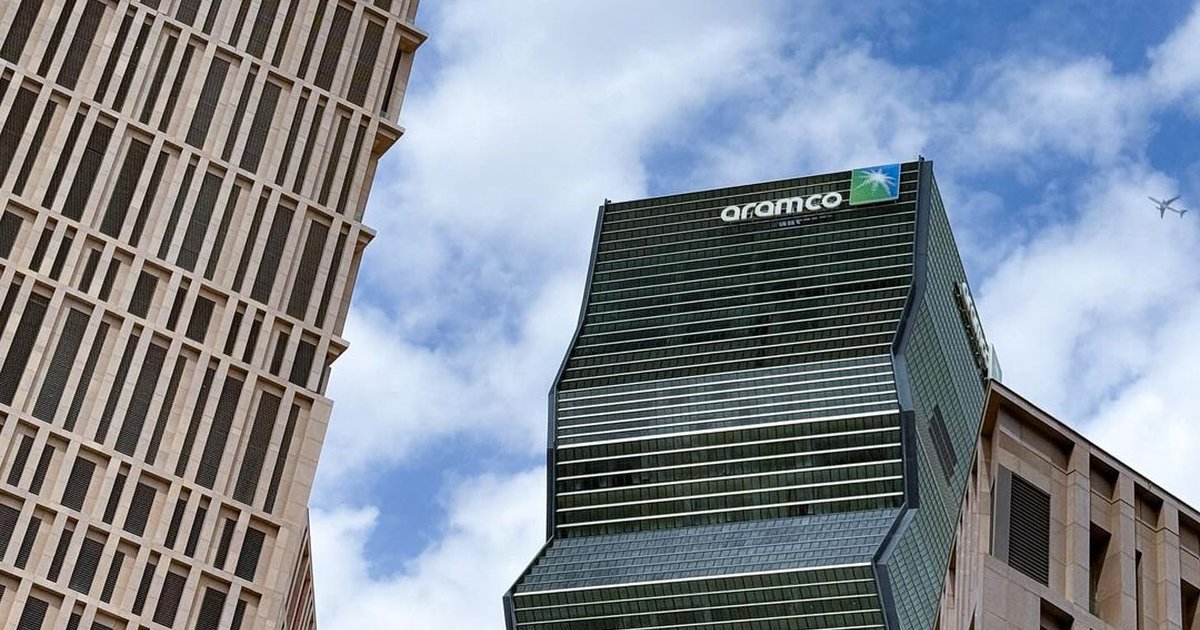
Saudi Aramco is a Saudi Arabian state-owned petroleum and chemicals corporation under the governance framework of Saudi Arabia's de facto leader Crown Prince Mohammed bin Salman. As the world's largest crude oil producer and a critical global energy infrastructure player, Aramco functions as both a commercial enterprise and an instrument of Saudi geopolitical strategy. Their operational capacity directly influences global oil markets, OPEC production dynamics, and energy security for major economies including Japan, China, and Europe. Aramco's significance extends beyond hydrocarbon extraction; it represents Saudi Arabia's economic diversification efforts and capital deployment capacity in post-carbon markets.
Aramco maintains a monitored tier classification on the LeadersCartel Power Index at rank 180 with a stability score of 1.9, tracked across 2,125 discrete intelligence sources. The signal distribution pattern—zero high-impact signals, two emerging developments, and zero watch-tier alerts—indicates a period of relative operational stability without acute crisis indicators. This positioning reflects Aramco's established market dominance tempered by cyclical commodity volatility and structural energy transition pressures. The absence of high-impact signals suggests stakeholders view current developments as manageable within existing strategic frameworks rather than as systemic disruptions to Saudi energy policy.
Recent intelligence signals indicate three priority developments. First, Aramco announced a $10 billion capital raise through real estate asset monetization, signaling aggressive liquidity management and non-core asset rationalization. Second, sector analysis positioning Aramco-adjacent oilfield services stocks for post-Hormuz strategic scenarios reflects market anticipation of potential regional supply chain disruptions or geopolitical repositioning. Third, Aramco's public statements on slow post-shock oil market recovery acknowledge demand-side pressures and potential supply destruction impacts, likely referencing refinery incidents or geopolitical supply constraints affecting global benchmarks.
Analysts should monitor crude price trajectory, OPEC+ compliance signaling from Saudi Arabia, and any announcements regarding Aramco's downstream or renewable energy investments over the next 72 hours. The critical trigger event to watch is any formal Saudi production policy adjustment relative to current OPEC quotas, which would indicate either demand capitulation or geopolitical response to regional developments affecting Hormuz chokepoint security.