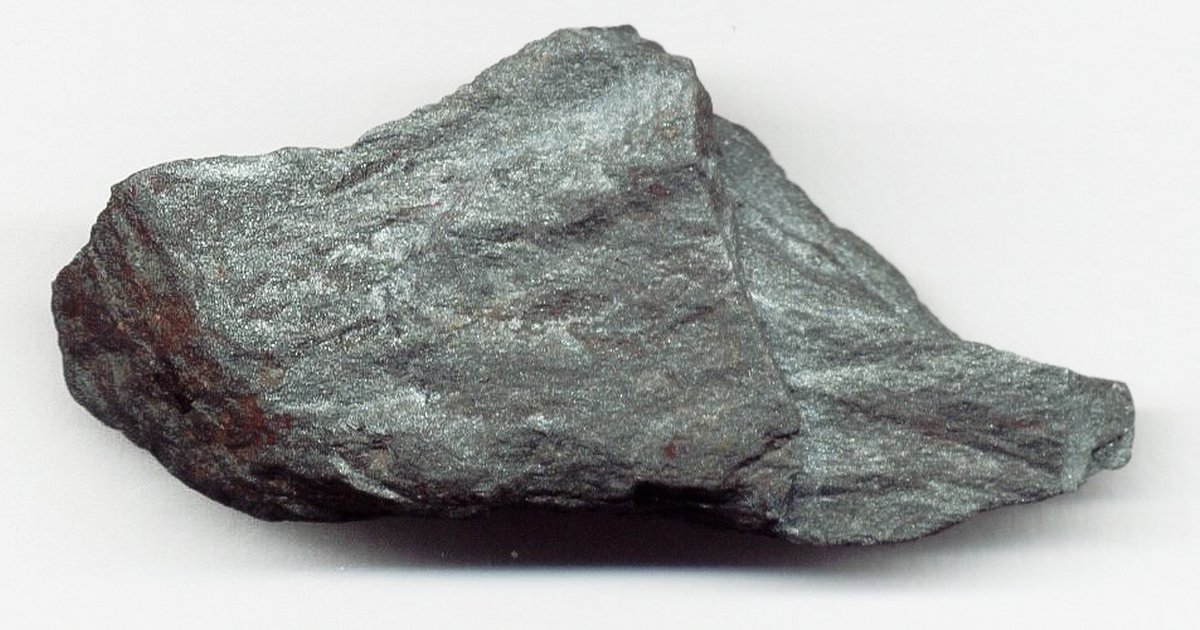
Iron Ore
# INTELLIGENCE DOSSIER: IRON ORE COMMODITY POSITION
Iron Ore is a global commodity essential to steel production and industrial infrastructure, with strategic importance concentrated in major producing nations including Australia, Brazil, and India, and consuming centers led by China. As a foundational input for construction, automotive, defense, and renewable energy sectors, iron ore pricing and supply dynamics directly influence geopolitical stability, manufacturing competitiveness, and capital flows across developed and developing economies. The commodity's current trajectory reflects tension between sustained Chinese demand—which consumes approximately 70% of global seaborne supply—and structural headwinds from energy cost inflation and green steel transition pressures.
Iron Ore tracks at rank 209 on the LeadersCartel Power Index with a monitored tier designation and a composite signal score of 1.6, derived from six active intelligence sources. The signal distribution reveals one emerging indicator and one watch-level signal with zero high-impact alerts currently active, suggesting stabilizing but fragile market conditions. This middle-band positioning reflects commodity price volatility and supply-chain sensitivities rather than acute systemic risk; however, the monitored classification indicates sustained analyst attention is warranted given downstream implications for global manufacturing and infrastructure investment cycles.
NMDC's Q4 net profit surge of 35% to ₹2,020 crore signals robust Indian production margins despite macroeconomic headwinds, directly supporting supply stability in Asia-Pacific regions. Simultaneously, iron ore heads toward monthly loss territory as coal price spikes compress steelmaking margins—a critical signal that input cost inflation is eroding producer profitability. BHP's decision to terminate hedging strategies against green steel transition risks indicates major producers are repositioning away from traditional margin protection, suggesting structural confidence or strategic resignation toward long-cycle decarbonization demands.
Monitor the next 72 hours for Chinese steel mill restocking data and any policy announcements from Beijing regarding infrastructure stimulus, as demand signals from China typically drive 40 percent of monthly price volatility. The critical trigger event to watch: whether major producers formally announce capex reductions or supply curtailment in response to sustained margin compression, which would materially shift rank and signal distribution upward within 10–14 days.