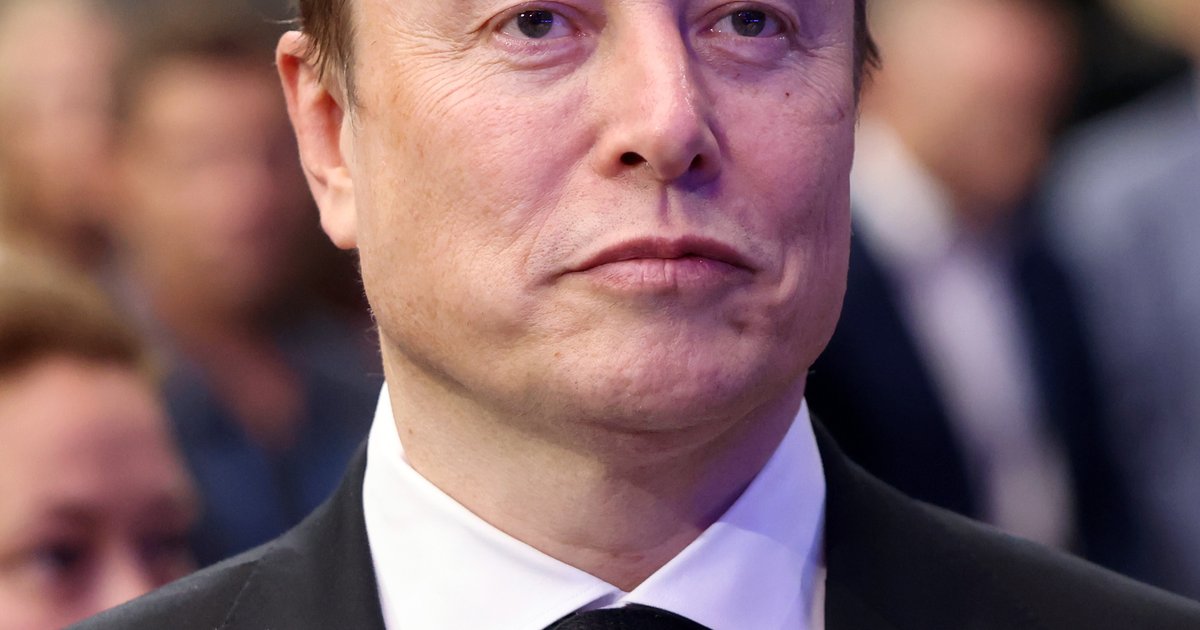
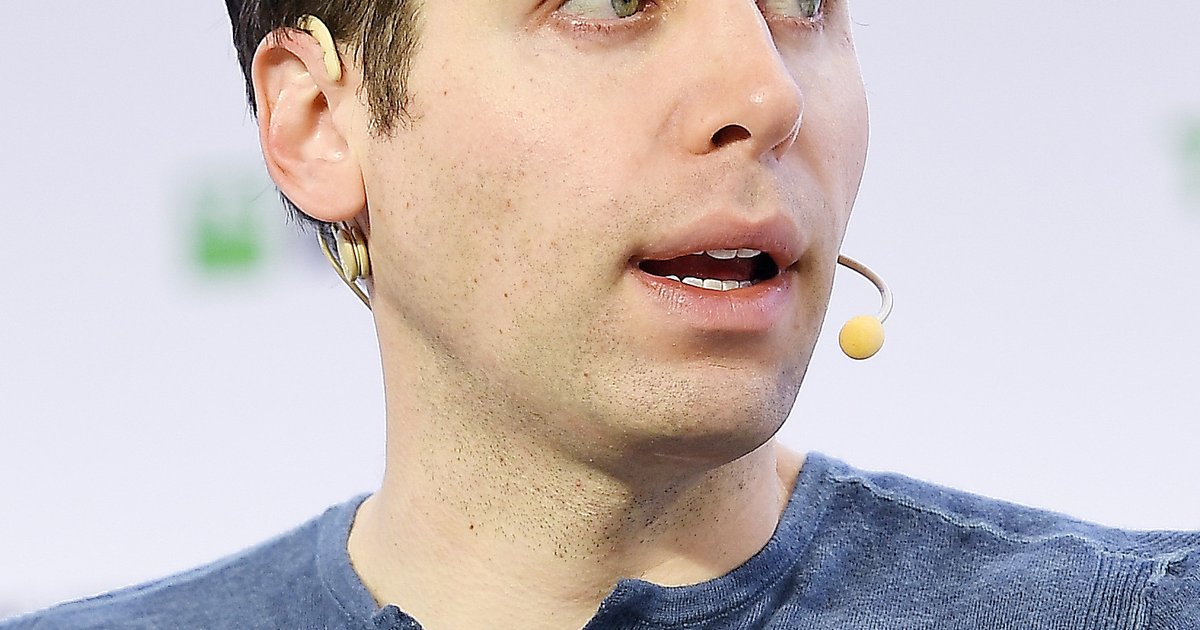
Elon Musk testified in federal court on April 28 against Sam Altman over OpenAI governance failures and leadership direction, citing nine separate contentions over AI safety protocols and decision-making authority. The testimony marks an escalation in what began as an internal dispute and has evolved into a public institutional crisis. Simultaneously, school-shooting lawsuits accuse OpenAI of deliberately concealing violent ChatGPT users from law enforcement, triggering reputational damage that compounds the governance vacuum.
Musk's courtroom testimony targeted Altman's consolidation of power at OpenAI and what Musk characterized as the company's retreat from stated safety commitments. According to TechCrunch reporting from the courthouse on April 28, Musk stated he could not reconcile his own public statements about OpenAI's founding mission with the organization's current operational practices. The dispute centers on whether Altman has sufficient institutional checks on his authority—a question that goes to the heart of whether OpenAI can sustain legitimacy as the de facto leader of the AI industry. For his part, Altman has framed the governance structure as appropriate for a company scaling toward broader deployment, a position Musk's legal team disputes.
The ChatGPT lawsuit layer adds acute reputational and legal exposure. Multiple school districts filed suits alleging OpenAI failed to flag or report users generating violent content, instead optimizing for user engagement and revenue. Bloomberg reported on April 26 that internal OpenAI documentation reveals awareness of the issue for at least eighteen months before disclosure. The combination—organizational power concentration plus documented safety lapses—signals a legitimacy crisis that extends beyond Altman and touches the company's core claim to ethical AI development. This framing matters because it directly undermines OpenAI's position as the trustworthy consolidator of the sector.
The institutional fracture is reshaping competitor positioning. Anthropic, which explicitly positioned itself as an OpenAI alternative on safety grounds, is now the beneficiary of OpenAI's governance failures—a direct consequence of Musk's legal action and the safety lawsuit visibility. According to Reuters reporting on April 27, enterprise buyers and cloud partners are quietly accelerating Anthropic evaluations and reducing sole-vendor dependency on OpenAI relationships. Meta's decision to raise bond capital despite elevated AI spending signals that even within consolidation, market confidence is fragmenting: capital is pricing in OpenAI execution risk. This is not yet a market repricing—it is capital beginning to price optionality.
The deepening divide now forces Amazon and Microsoft to recalibrate their infrastructure and partnership strategy. Both firms anchored their AI roadmaps to OpenAI integration. According to Satya Nadella's April 27 public remarks reported by TechCrunch, Microsoft has moved aggressively to what Nadella called 'exploit' advantages in its own AI model development—coded language for reducing dependency on OpenAI exclusivity. Amazon, by contrast, is enlarging its Anthropic relationship, a clear signal that the company is hedging against OpenAI's organizational viability. The institutional fracture is now cascading into partnership realignment, which is where organizational dysfunction becomes competitive repositioning.
What distinguishes this moment is that the crisis is fundamentally about organizational legitimacy, not technological capability. OpenAI's models remain technically competitive. The problem is that Musk's public testimony and the safety litigation have exposed the organization as one where power concentration and documented safety lapses coexist—precisely the institutional failure pattern that makes boards and enterprise buyers nervous. The governance void that Musk's testimony highlighted is now the real competitive vulnerability. Consolidation depends on buyer confidence that the dominant firm will not experience internal paralysis or leadership fragmentation. OpenAI has lost that confidence premium.